• University
  • Academic Portal
  • University Library
  • Webmail
  • Arnawa
  • UM UGM
  • English
    • Bahasa Indonesia
    • English
Universitas Gadjah Mada Javanese Language, Literature, and Culture Program
Department of Language and Literature
Faculty of Cultural Sciences
Universitas Gadjah Mada
  • Home
  • Profile
    • Vision & Mission
    • Objective
    • Excellence
    • Career Prospects
    • Teaching Staff
  • Academic
    • Curriculum Flow
    • Courses Description
    • Distribution of Courses
    • Academic Calendar
    • COURSE AND ADMINISTRATION INFORMATION
    • Learning Outcomes
    • INTERNATIONAL CONFERENCES AND ACTIVITIES
  • KPPB
    • Collaboration
    • Research
      • Teaching Staff Research
      • Javanese Studies Archive – Arnawa
    • Service
      • Community Services
      • Podcast (Anarka Lālitya)
    • Scholarship
  • Student Affair
    • Student Satisfaction Survey
    • HMJ Kamastawa
    • Student’s Activity
    • Student’s Creations
    • Youtube Channel
    • Instagram
  • Alumnus
    • Alumnus Profile
  • Contact
  • Home
  • Student’s Work
Arsip:

Student’s Work

Introducing the Cultural Literature Cluster of Universitas Gadjah Mada in the Saba Tilik 6.0 X Saba Education Fair Activity

College StudentNewsSDGSStudentStudent's ActivityStudent's Work Saturday, 24 January 2026

SMAN 1 Bantul held the Saba Tilik 6.0 X Saba Education Fair on Thursday (January 22, 2026). This event aimed to provide motivation and further educational information to students, especially final-year students, so they could gain a broader understanding of the world of higher education and study program options.

Two students from the Javanese Language, Literature, and Culture Study Program, class of 2025 at Universitas Gadjah Mada (UGM), who are also alumni of SMAN 1 Bantul, Nurul Fajri Rahmani and Tri Wulandari, participated as speakers. Their presence allowed them to share their academic experiences and introduce the various study programs at Universitas Gadjah Mada to the students.

In an online interview with Nurul Fajri Rahmani on Friday (January 23, 2026), the material focused on introducing the literary and cultural groups, specifically the Javanese Language, Literature, and Culture Study Program. Fajri also shared his experiences in pursuing higher education through the National Achievement-Based Selection (SNBP) and National Test-Based Selection (SNBT) pathways.
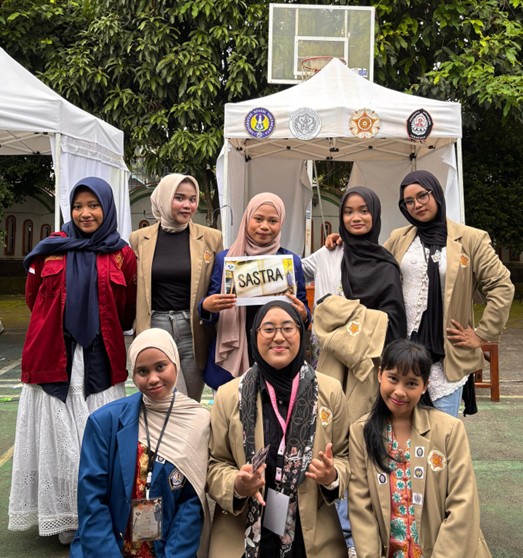
Fajri revealed that the main challenge in the event was students' low interest in the Literature and Culture field. "Therefore, we strive to explain as well as possible the job prospects, academic potential, and the various benefits and interesting experiences that can be gained while studying in the Literature and Culture field," he explained. This explanation is expected to broaden students' horizons and change their perspectives on the study of literature and culture.

For Fajri, participating in the Saba Tilik 6.0 X Saba Education Fair was a truly memorable experience. Besides returning to his alma mater and meeting his classmates, he also had the opportunity to share stories and information about the world of college. He hopes that similar events can continue to be held on an ongoing basis to spark students' interest and enthusiasm in pursuing higher education.

The Saba Tilik 6.0 X Saba Education Fair aligns with the Sustainable Development Goals (SDGs), particularly SDG 4, which focuses on quality education through providing inclusive and equitable access to information on higher education. Providing this information helps students make more conscious and informed educational decisions. More broadly, this activity also intersects with SDG 11 (Sustainable Cities and Human Settlements), namely by increasing literacy and insight in educational communities, which are the foundation for the formation of an informed and sustainable society. The collaboration between secondary schools and universities in this activity also reflects the implementation of SDG 17, namely partnerships to achieve sustainable development goals through synergy between educational institutions.


Author : Haryo Untoro
Editor  : Haryo Untoro
Students of the Javanese Language, Literature, and Culture Study Program Class of 2025 Perform the Drama Weton Waton

College StudentNewsSDGSStudentStudent's ActivityStudent's Work Saturday, 17 January 2026

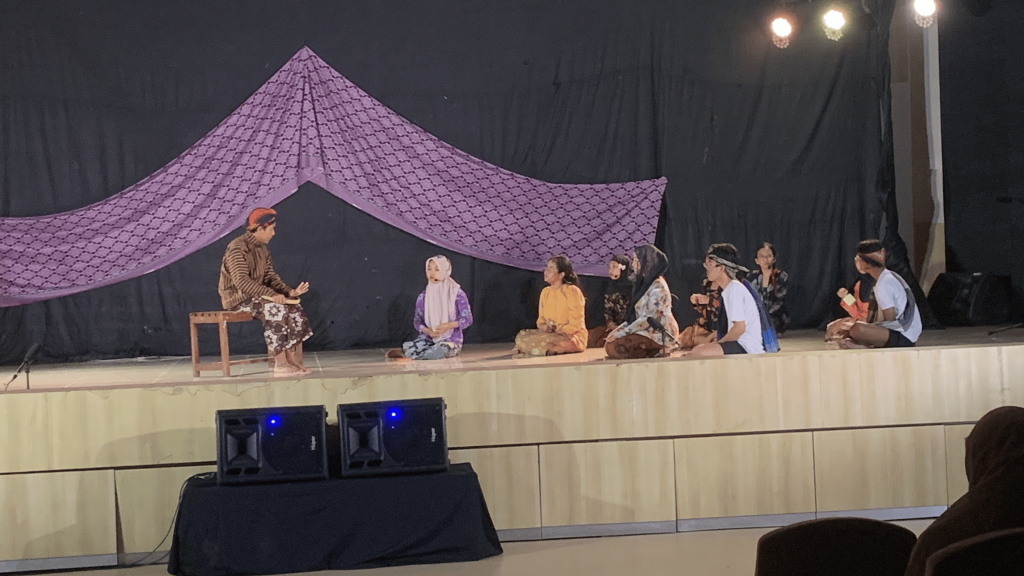
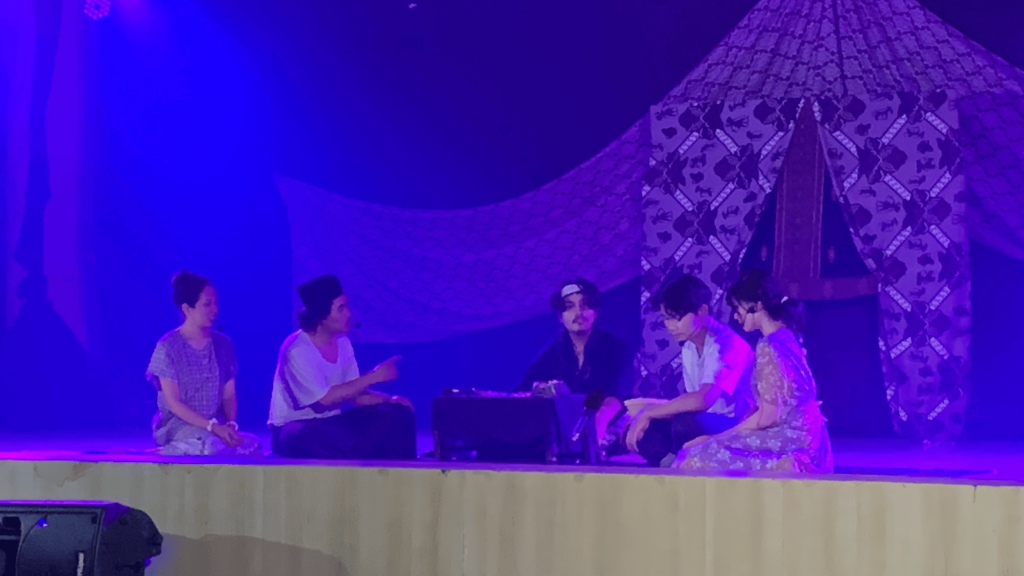
Students of the Javanese Language, Literature, and Culture Study Program, Class of 2025, Faculty of Cultural Sciences, Gadjah Mada University, staged a drama titled Weton Waton on Tuesday (12/16/2025). The performance took place at the Poerbatjaraka Auditorium, FIB UGM, at 6:00 p.m.

This activity was organized as part of the final exam assignment for the Communicative Spoken Javanese Language course taught by Dr. R. Bima Slamet Raharja, S.S., M.A. The performance of Weton Waton was directed by Safa Rahmatul H. as the production manager.

The drama Weton Waton tells the story of a domestic conflict between a husband and wife triggered by financial problems. The root of the problem lies in the husband's decision to quit his job and get involved in cockfighting gambling. The ongoing conflict then prompts the wife's parents to take the matter to a shaman. In the story, the shaman says that the couple's domestic quarrels are caused by an incompatibility in their weton, which is called tiba pegat.

Through this performance, students sought to convey the message that problems should not be automatically attributed to a person's character or nature based on their weton. In addition, this performance also presented knowledge about the concepts of dina, pasaran, and wuku, which are still believed by some Javanese people to be part of their tradition.

Based on an online interview with Yogi Setiyawan on December 28, 2025, the Weton Waton performance was a final exam assignment that required all students enrolled in the course to be directly involved in the performance. The theme of weton was chosen as an effort to highlight the tradition of calculating weton, dina, pasaran, and wuku that has developed in Javanese society.

“In preparing for the Weton Waton performance, our preparations can be said to still have a number of limitations. The challenges faced include script writing, group division, and funding constraints. From this process, we learned that good and open communication between members is very important in a performance,” said Yogi.

Yogi also expressed his pride in being involved in the premiere performance of the 2025 batch of students from the Javanese Language, Literature, and Culture Study Program. He hopes that this activity can be a first step towards producing better works in the future.

The performance of the Weton Waton drama was not only a means of practicing Javanese language skills orally, but also a platform for students to create and apply their language skills in the form of a performance. In line with the teachings of KGPAA Mangkunegara IV in Serat Wedhatama, which states that ngelmu iku kalakone kanthi laku or knowledge must be implemented through practice, this performance is a tangible manifestation of reviving enthusiasm for the Javanese language while honing students' creativity. Through activities such as this, students are expected to continue to preserve and revive Javanese culture through concrete efforts that benefit the community.

Gamasutra’s Echoes in Preserving the Culture of the Archipelago

College StudentNewsSDGSStudentStudent's ActivityStudent's WorkUncategorized Thursday, 15 January 2026

Gamasutra ‘Gamelan Mahasiswa Sastra Nusantara’ is a forum for developing the creativity of students in the Javanese Language, Literature, and Culture Study Program, Faculty of Cultural Sciences, Gadjah Mada University (UGM). Operating under the auspices of the Arts Interest and Talent Division of the Student Association (HMJ) of the Javanese Language, Literature, and Culture Student Community (Kamastawa), this community is committed to preserving gamelan music as part of the cultural wealth of the Indonesian archipelago.

Gamasutra's commitment to traditional arts not only serves as a learning tool for students, but also represents cultural identity in the academic environment. Through its ongoing dedication, Gamasutra has consistently served as an ambassador for the Javanese Language, Literature, and Culture Study Program in various official forums and art festivals, both at the faculty and university levels.

Gamasutra's performance at the UGM Faculty of Philosophy Karawitan Festival

Throughout its journey, Gamasutra has participated in a number of strategic and ceremonial events at Gadjah Mada University. These include the Faculty of Philosophy's Karawitan Festival, the groundbreaking ceremony for the new Faculty of Cultural Sciences building, and supporting the inauguration of the organization through the Grand Launching of HMJ KAMASTAWA. Additionally, Gamasutra is actively involved in inter-institutional networking activities through the Sowan Kadang Sastra Jawa UGM x Universitas Indonesia agenda.

Gamasutra's performance at the UGM X UI Javanese Literature gathering

Amidst the challenges of modernity, Gamasutra continues to demonstrate its existence as a preserver of Javanese culture. This is evidenced by the trust given to Gamasutra as the opening and accompanying act for the 2025 Pionir Kampung Budaya (Pioneer Cultural Village) event and the 4th Semeja International Forum (Malay Javanese Seminar). The international forum will be held at Gadjah Mada University in 2025.

Gamasutra's performance at the Semeja international seminar

By combining technical expertise in karawitan art and cultural literacy, Gamasutra is committed to keeping traditional music alive. This effort is part of strengthening the nation's identity so that it remains dynamic, relevant, and can be passed on to future generations.

Gamasutra's work is in line with Sustainable Development Goal (SDG) 4, namely quality education, through its role as a learning space that encourages the development of student competencies in the fields of traditional music, cultural literacy, and the strengthening of scientific identity in the academic environment. In addition, Gamasutra's involvement in various cross-faculty, institutional, and international forum activities, such as the collaboration between UGM and the University of Indonesia and participation in the Semeja IV International Forum, reflects the implementation of SDG 17, namely strengthening partnerships to achieve sustainable development goals. Through these collaborations, Gamasutra not only expands its academic and cultural networks but also contributes to collective efforts to preserve the inclusive and sustainable culture of the Indonesian archipelago.


Author            : Maysa Putri Fatihah & Haryo Untoro
Editor             : Haryo Untoro
 

The Challenge Facing Young Puppeteer Rafi Nur Fauzy in Performing Wayang Gedhog on National Puppetry Day

College StudentNewsSDGSStudentStudent's ActivityStudent's Work Thursday, 4 December 2025

The Surakarta Style Javanese Arts Unit (UKJGS) of Universitas Gadjah Mada (UGM) is collaborating with the Student Association of the Department of Puppetry (HMJ Pedhalangan) of the Indonesian Institute of the Arts (ISI) Yogyakarta to hold a collaborative Wayang Gedhog performance in commemoration of National Puppetry Day. The performance will take place on Thursday, November 27, 2025, at 7:00 p.m. WIB at the Pendapa Tari ISI Yogyakarta. This event is a collaborative synergy between young artists from UKJGS UGM and HMJ Pedalangan ISI Yogyakarta in preserving this rare performing art.

The Wayang Gedhog performance to commemorate National Wayang Day was organized by HMJ Pedalangan ISI Yogyakarta, inviting UKJGS UGM to participate. As the coordinator of the Pedhalangan division at UKJGS UGM and a student of the Javanese Language, Literature, and Culture Program at UGM, Muhammad Rafi Nur Fauzy explained that this is a great opportunity to introduce UKJGS's work in the field of pedalangan, while also enlivening the National Wayang Day celebration.

The role of puppeteer in this Wayang Gedhog performance was entrusted to Rafi, accompanied by music from other UKJGS members. This performance featured Wayang Gedhog because Wayang Gedhog performances are rarely staged. This type of puppet show had been dormant for a long time and was revived several decades ago. Wayang Gedhog performances are actually considered stiff because they are constrained by the palace hierarchy in their content. Wayang Gedhog was also featured as an introduction to the rich heritage of puppetry to the general public.

The story of Panji Laleyan Duta (Sayembara Keris Jaka Piturun) was chosen to be performed because it was relevant to the current situation and information that was happening and becoming a hot topic of discussion in society, namely the polemic over the change of king in the Surakarta (Solo) Palace. According to Rafi, we need to question how this Javanese monarchy can survive in the midst of a democratic situation. Not only in the Surakarta Palace, but also in Yogyakarta.

As a student of the Javanese Language, Literature, and Culture Study Program at UGM, Rafi expressed his joy and pride at having the opportunity to perform Wayang Gedhog. Currently, not many puppeteers are willing to perform Wayang Gedhog because the performance is considered difficult due to its fixed accompaniment. Only a few puppeteers understand the performance. With the guidance of Dr. Rudy Wiratama, S.I.P., M.A., a lecturer in the Javanese Language, Literature, and Culture Program, Rafi was able to successfully perform Wayang Gedhog, which is considered difficult.

The Wayang Gedhog performance supports the achievement of SDG point 4 Quality Education and point 8 Decent Work and Economic Growth, namely as a medium of education and introduction to the treasure trove of wayang and enriching knowledge about cultural heritage in the academic environment, as well as an opportunity for the regeneration of performing arts and livelihoods for young artists. Not only that, this performance contributes to the achievement of SDG point 16 Peace, Justice, and Strong Institutions by using the role of art as a means to voice constructive criticism of the leadership polemic in the Surakarta Palace. The participatory collaboration between UKJGS UGM and HMJ Pedhalangan ISI Yogyakarta supports the achievement of SDGs and point 17 Partnerships for the Goals.


Author: Maysa Putri Fatihah

Editor: Haryo Untoro

Comparative Study of Javanese Literature at UNNES and Javanese Language, Literature, and Culture at UGM: Strengthening Friendship and Collaboration for Sustainable Javanese Culture

College StudentNewsSDGSStudentStudent's ActivityStudent's Work Thursday, 13 November 2025

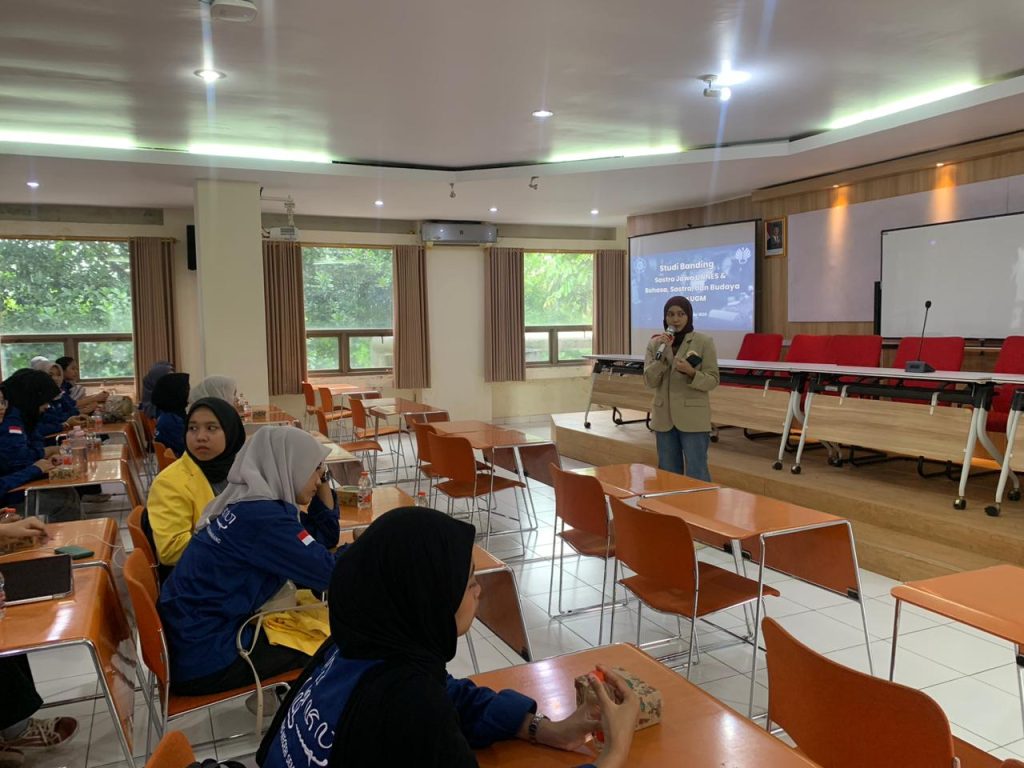
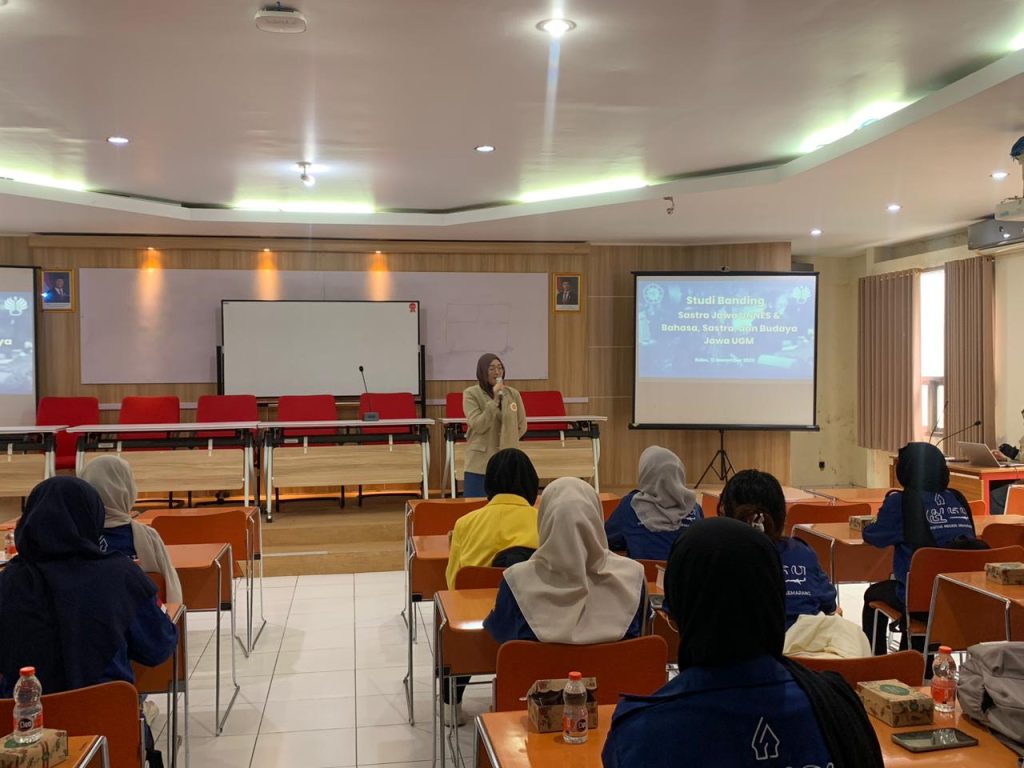
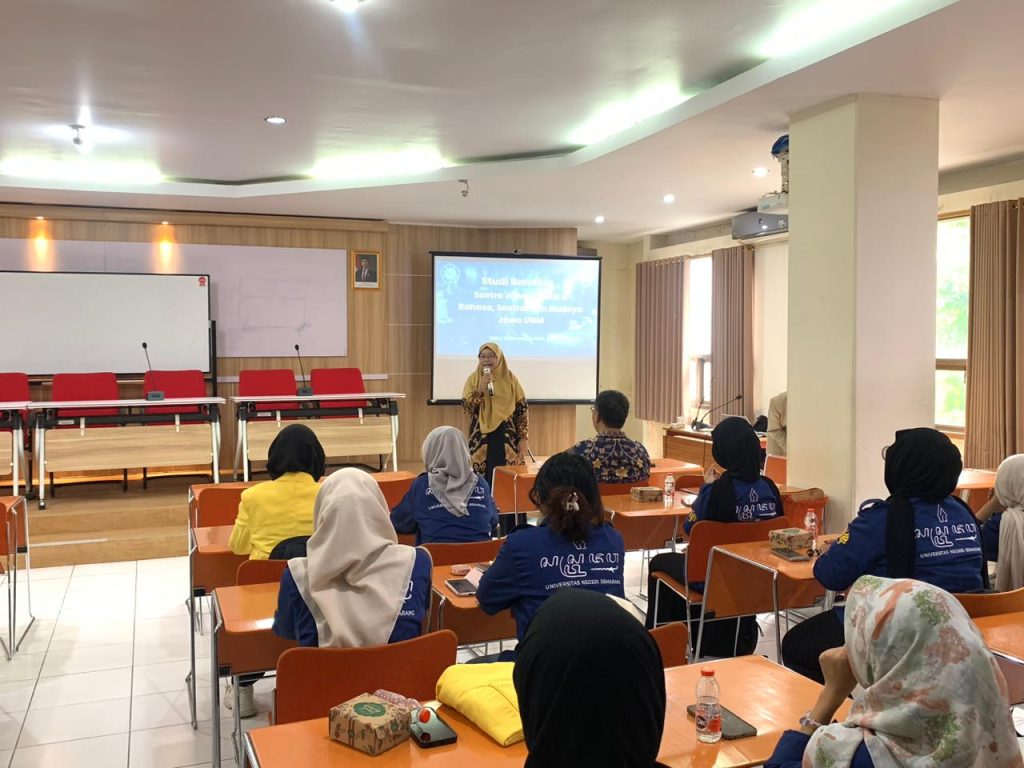
Yogyakarta, November 12, 2025 — The Javanese Literature Study Program, Semarang State University (UNNES), conducted a comparative study with the Javanese Language, Literature, and Culture Study Program, Gadjah Mada University (UGM). The event, held in the Multimedia Room on the 2nd floor of Margono Building, Faculty of Cultural Sciences (FIB) UGM, served as a platform for networking and knowledge exchange among students from both universities.

Forty UNNES Javanese Literature students from the class of 2023 attended the event and were welcomed by nine UGM Javanese Language, Literature, and Culture students from the class of 2022, including Alfonsus Dipa Wicaksana, Anggit Galuh Ajar Amanah, Fauzan Adi Fadlurahman, Haryo Untoro, Muhammad Siswoyo, Novia Hikmatul Mubarokah, Pesdhi Sekar Hayumay, Saktia Hidayah, and Yasmin Nabiha Sahda.

The event was opened by Yasmin Nabiha Sahda, who introduced the agenda. Next, Novia Hikmatul Mubarokah presented the profile of the UGM Javanese Language, Literature, and Culture Study Program, including the curriculum, student activities, and various academic and non-academic programs that have been organized. A similar presentation was then delivered by a representative of UNNES students who introduced the structure and activities of the Javanese Literature Study Program.

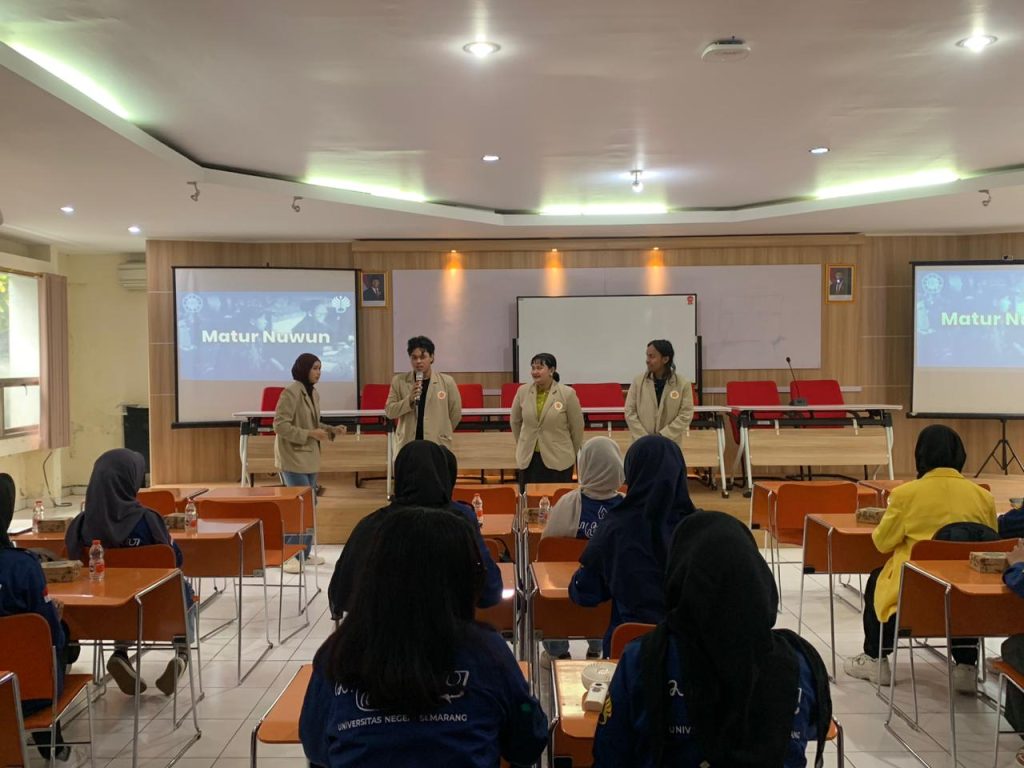
The next session was filled with a “Study Interest Discussion” activity, featuring three UGM student representatives: Fauzan Adi Fadlurahman (Philology), Muhammad Siswoyo (Linguistics), and Saktia Hidayah (Literature). They gave an introduction to their respective fields of study, followed by an interactive discussion. UNNES students enthusiastically asked various questions about learning methods, tips for completing assignments, and the direction of studies in these fields. A warm and friendly atmosphere was created through dialogue, jokes, and the sharing of experiences among participants.

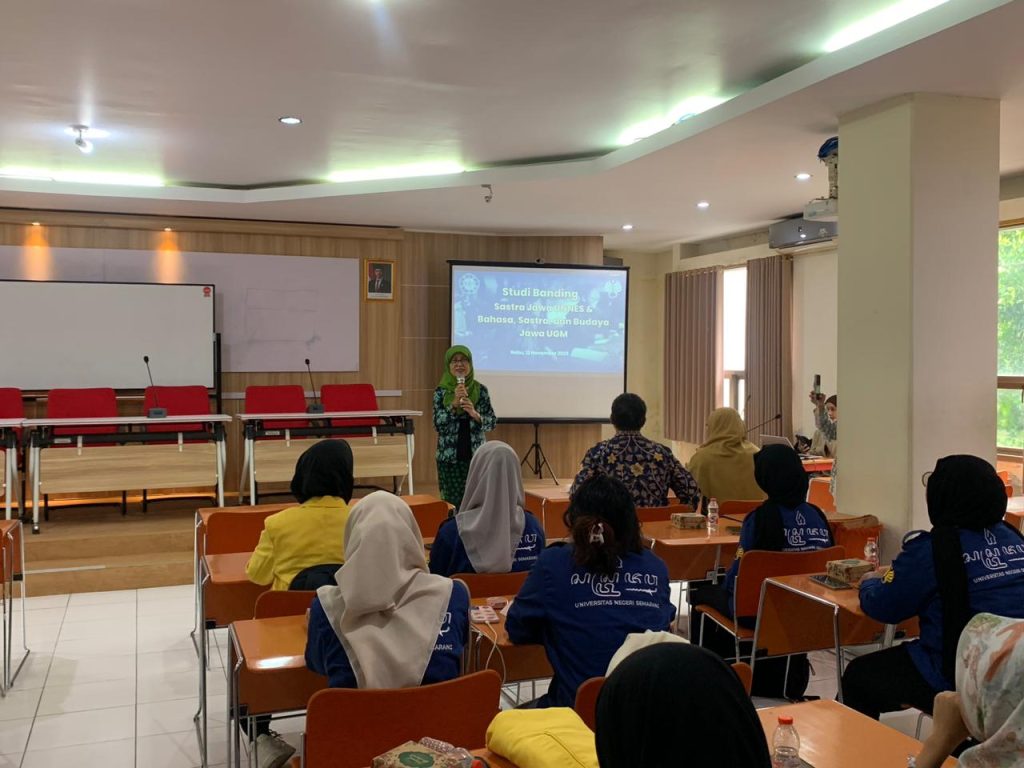
Towards the end of the event, remarks were delivered by the Head of the Javanese Language, Literature, and Culture Study Program at UGM, Dr. Daru Winarti, M.Hum., and a representative from the Javanese Literature Study Program at UNNES, Dr. Prembayun Miji Lestari, M.Hum. Both emphasized the importance of collaboration between students and educational institutions in strengthening the development of knowledge and preservation of Javanese culture.

Opening remarks from the Head of the Javanese Language, Literature, and Culture Study Program, Dr. Daru Winarti, M.Hum.

Opening remarks from the representative of the UNNES Javanese Literature Study Program lecturers, Dr. Prembayun Miji Lesatri, M.Hum.

The event concluded with a joint documentation session as a symbol of unity and commitment to continue cooperation.

Through this comparative study, it is hoped that the relationship between the two study programs will become closer and more productive. In addition to broadening the academic horizons of students, this activity is also a concrete step in the joint effort to preserve and develop Javanese cultural heritage in higher education.

Sastra Menitra: Warm Memories from Dr. Sri Ratna Saktimulya, M.Hum., for the Javanese Language, Literature, and Culture Study Program

College StudentNewsSDGSStudentStudent's ActivityStudent's Work Friday, 31 October 2025

Yogyakarta, October 29, 2025 — A warm and emotional atmosphere enveloped the 4th floor hallway of the Margono Building on Wednesday afternoon. The Department of Javanese Language, Literature, and Culture, Faculty of Cultural Sciences, witnessed a special event hosted by Dr. Sri Ratna Saktimulya, M.Hum., a retired lecturer from the department. On this occasion, she distributed a book titled Sastra Menitra to the program and students from various batches as a memento and token of appreciation for the academic journey she had undertaken with the students.

The Sestra Manitra book is not merely a collection of writings, but rather a collaborative work by students from the classes of 2022, 2023, and 2024 who took courses taught by Dr. Sri Ratna Saktimulya, M.Hum., in the even semester of the 2024/2025 academic year. The course covered Creative Written Javanese Language, Philology, Codicology, Communicative Spoken Javanese Language, and New Javanese Poetry Texts.

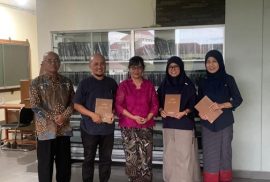
Presentation of the Sestra Manitra book to representatives of the class of 2022

Presentation of the Sestra Manitra book to representatives of the class of 2023

Presentation of the Sestra Manitra book to representatives of the class of 2024

The class of 2022 contributed through Javanese-language coverage, while the class of 2023 presented illumination results in the form of rubrikasi, renggan, wedana renggan, and wedana gapura renggan. Meanwhile, the class of 2024 wrote various forms of Javanese literature, including parikan, geguritan, macapat, sengkalan, wangsalan, saduran, piwulang, and dongeng.

Etymologically, the title Sastra Menitra means “writings that are composed with deep feeling based on real means.” This meaning reflects the depth of the writings produced by the students through the use of the five senses—sight, hearing, smell, taste, and touch—as gifts and creative powers from God Almighty.

The event began at 4:30 p.m. with an opening and prayer led by Dr. Sri Ratna Saktimulya, M.Hum. The event continued with a speech from the Head of the Javanese Language, Literature, and Culture Study Program, Dr. Daru Winarti, M.Hum. The atmosphere became solemn when all participants sang the song Panyuwunan “permohonan” (prayer) composed by the late Dr. I. Kuntara Wiryamartana, SJ. The situation became even more solemn with the reading of a poem recited by Noviyanti Alfitri, a student from the class of 2024.

Entering the main session, Dr. Sri Ratna Saktimulya, M.Hum., symbolically handed over the book Sastra Menitra to Dr. Daru Winarti, M.Hum., which was then followed by distribution to lecturers and students. More than just a book handover ceremony, this moment became a form of deep appreciation and remembrance for the entire academic community.

In the introduction to the book, Dr. Sri Ratna Saktimulya, M.Hum., expressed her hope that Sastra Menitra would become a fond memory for students and a sincere tribute to the late Dr. I. Kuntara Wiryamartana, SJ., who had been a teacher and role model from his undergraduate studies to his current service.

She also hopes that this work will inspire the younger generation to continue learning, studying, and preserving Javanese culture. “May Sastra Menitra be useful for anyone who wants to study Javanese language, literature, and culture,” wrote Dr. Sri Ratna Saktimulya, M.Hum.

The book handover ceremony for Sastra Menitra concluded in a warm and grateful atmosphere, marking a beautiful farewell between a dedicated educator and the students who will carry forward the spirit of preserving Javanese culture in the future.

The Javanese Language, Literature, and Culture Study Program Celebrates Its 70th Anniversary through the 14th Gugur Gunung

College StudentNewsSDGSStudentStudent's ActivityStudent's Work Wednesday, 22 October 2025

The Javanese Language, Literature, and Culture Study Program, Faculty of Cultural Sciences, Gadjah Mada University, is once again holding its annual Gugur Gunung 14 event as part of the 70th anniversary of the study program's establishment. Established on September 19, 1955, the Javanese Language, Literature, and Culture Study Program has now entered its seventh decade of research, development, and preservation of Javanese culture in both academic and wider communities.

This year, Gugur Gunung carries the theme Tataning Ucap Sirnaning Dhesti, which means “organizing speech to avoid misfortune.” This theme forms the basis of values in fostering a spirit of mutual cooperation, unity, and togetherness in order to achieve the noble goal of preserving and realizing the sustainability of Javanese language, literature, and culture.

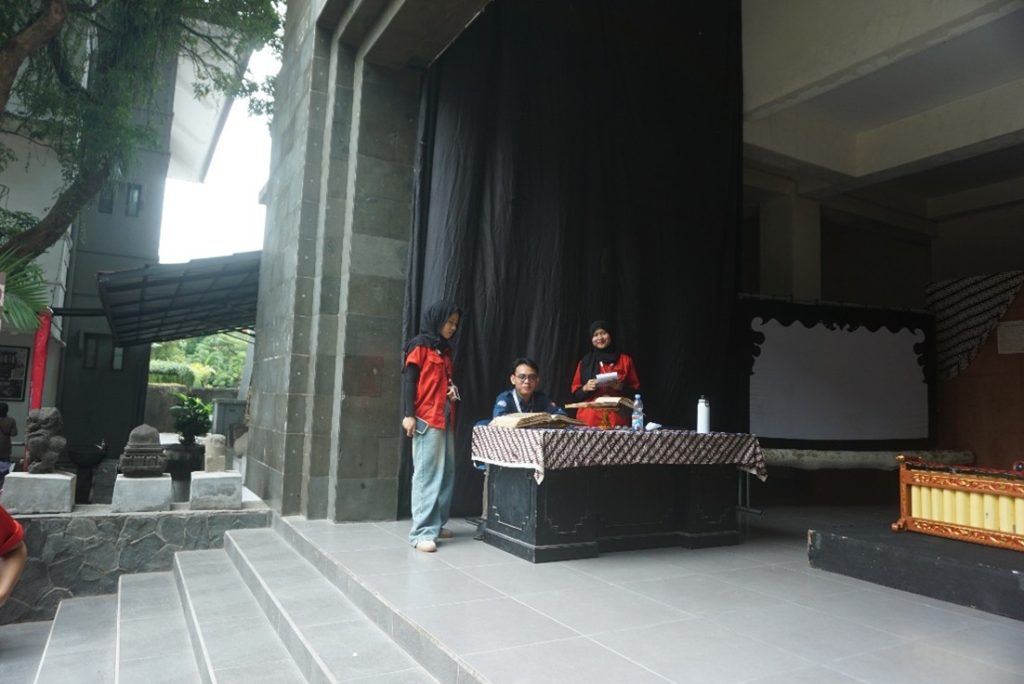
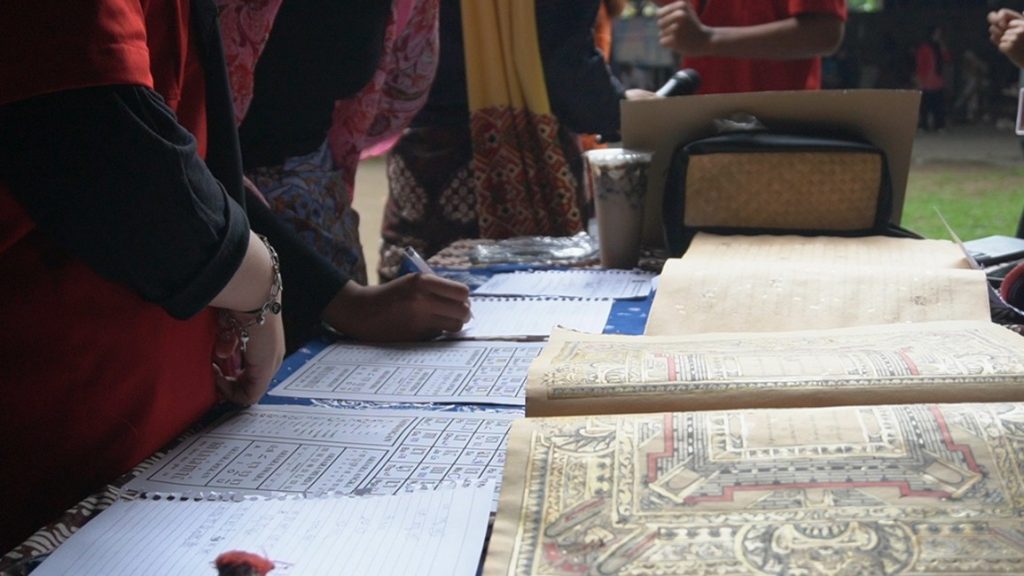
The first series of activities is a Javanese cultural exhibition which will be held on September 17-18, 2025, on the 1st floor of the Margono Building, from 10:00 a.m. to 4:00 p.m. During the exhibition, visitors are invited to explore various forms of Javanese culture through traditional games, gamelan musical instruments, wayang kulit (shadow puppets), ancient manuscripts, and weton (birth date calculations). Visitors can not only observe, but also interact directly and gain knowledge about the philosophical meaning behind each culture on display.

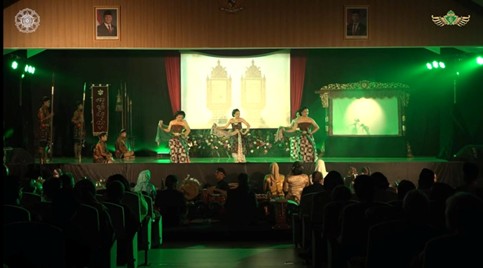
The highlight of the Gugur Gunung 14 event will be held on September 19, 2025, at the Poerbatjaraka Building Auditorium on the 3rd floor. The highlight of the evening will feature a variety of art performances, including classical dance, creative dance, and the dance drama “Adisari: Cahaya Kasih di Balik Penaklukan” (Adisari: The Light of Love Behind Conquest).

Full screenshot of the Faculty of Cultural Sciences Knowledge Channel (2025, September 30) at [13:00]. Accessed from https://www.youtube.com/watch?v=gLnTciXTCEg.

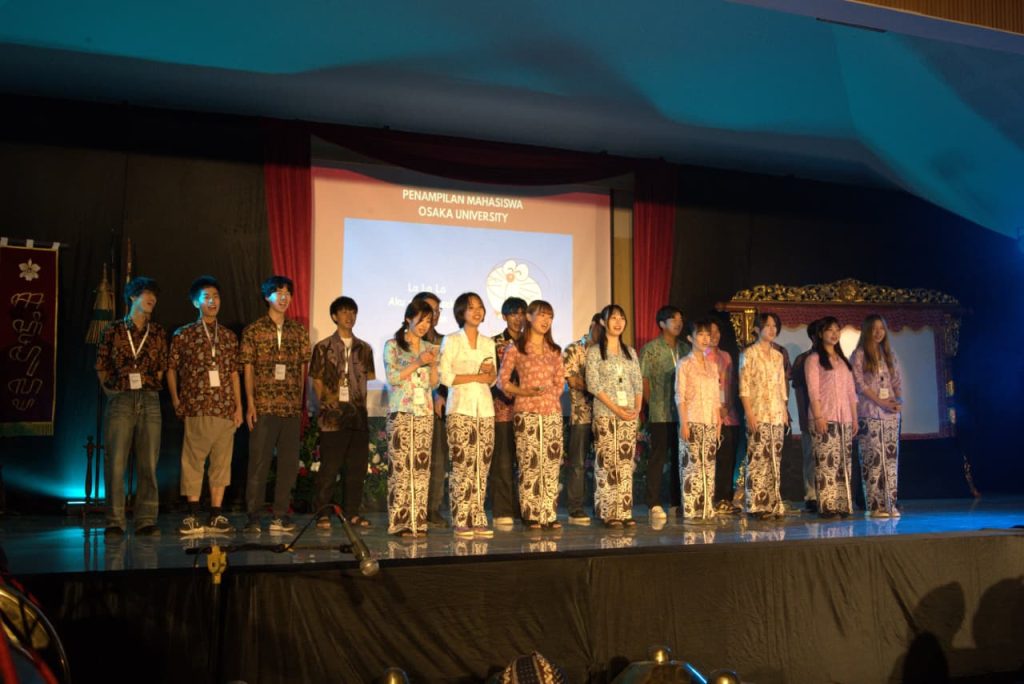
The dance drama was adapted from the text and illustrations of the Babad Metawis Skriptorium Pakualaman manuscript, which was initiated by Sri Paku Alam II. In addition to showcasing the richness of traditional art, the event was made even more special by the collaborative performance of students from Osaka University. It also served as a moment of farewell and appreciation for Dr. Sri Ratna Saktimulya, M.Hum., who was retiring from her position.

The Gugur Gunung 14 event is not just an anniversary celebration, but also a concrete means of preserving and reviving Javanese culture. Through this event, the Javanese Language, Literature, and Culture Study Program affirms its commitment to maintaining the sustainability of the noble values of Javanese culture so that they remain relevant amid the tide of modernity.

Bibliography

Kanal Pengetahuan Fakultas Ilmu Budaya UGM. (2025, 29 September). Alih Wahana Manuskrip Kuna ke Seni Pertunjukan, Adisari: Cahaya Kasih di Balik Penaklukan [Video]. Youtube. Retrieved from https://www.youtube.com/watch?v=gLnTciXTCEg.

Osaka University Students Participate in Javanese Cultural Learning Program at UGM

College StudentNewsSDGSStudentStudent's ActivityStudent's Work Wednesday, 1 October 2025

The Department of Javanese Language, Literature, and Culture, Faculty of Cultural Sciences, Gadjah Mada University (UGM), welcomed students from Osaka University, Japan, from September 10 to 20, 2025. For ten days, they studied Indonesian language and explored Javanese culture in Yogyakarta, accompanied by lecturer Prof. Dr. Yumi Sugahara.

Activities included visits to Pakualaman Palace, Wotawati Village, the Jogja Archive Diorama, the Yogyakarta Palace, the Sonobudoyo Museum, Prambanan Temple, and Borobudur Temple. In addition, the Osaka students received guidance from UGM students who acted as tutors and conversation partners on the customs of Indonesian society.

The closing ceremony was held on September 19, 2025, with a presentation of the observation results at FIB UGM. That evening, the Osaka University student group performed at the Gugur Gunung XIV event at the Poerbatjaraka Auditorium, singing two songs, Tsubasa wo kudasai and Doraemon no Uta, in Indonesian. The visit concluded on September 20, 2025, with the students' return to Japan.

This program is a form of strengthening academic cooperation between Gadjah Mada University and Osaka University. It is hoped that this cultural visit will not only be a forum for academic cooperation, but also a place for learning and understanding between cultures. In addition, this activity contributes to the introduction and preservation of cultural values that form the identity of both nations. Thus, this program is in line with the Sustainable Development Goals (SDGs), particularly in the aspects of quality education (point 4) and partnerships for the achievement of common goals (point 17).

UGM Students Preserves Javanese Script Through the “P4 Carakan” KKN-PPM Program

College StudentNewsSDGSStudentStudent's ActivityStudent's Work Wednesday, 3 September 2025

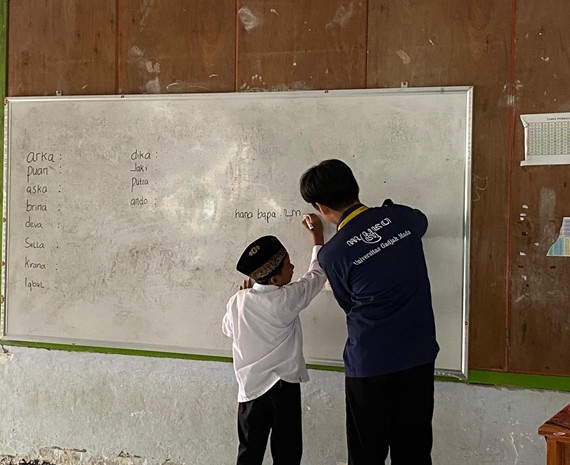
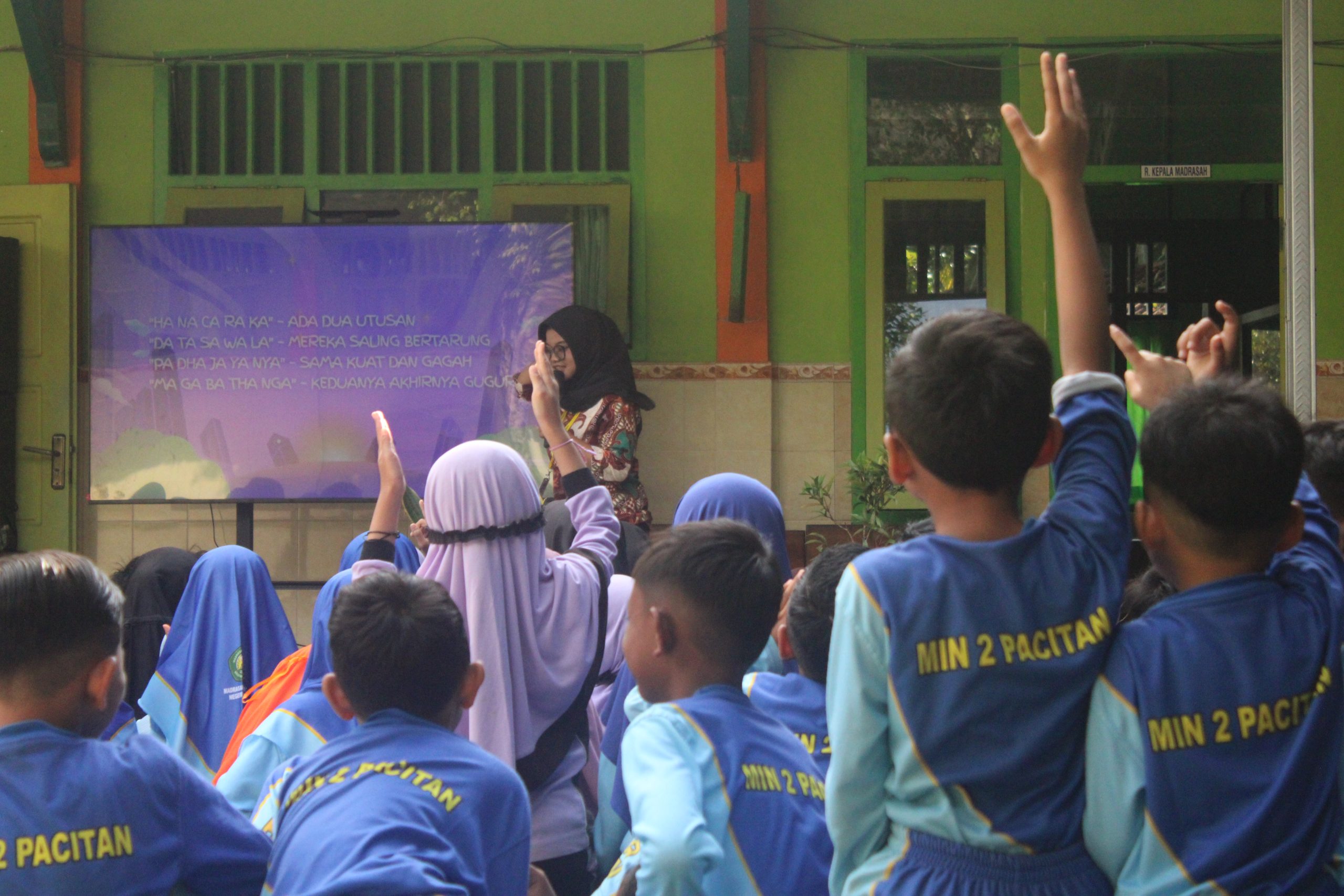
Universitas Gadjah Mada (UGM) is once again implementing the Community Empowerment Field Study Program (KKN-PPM), a student service program that is both an academic tradition and a form of social responsibility for universities towards the community. The 50-day program, running from June 20 to August 8, 2025, places students in various regions to interact with the community, identify needs, and provide creative, science-based solutions. Among the many programs initiated by students, one that stands out is P4 Carakan (Introduction, Learning, Training, and Application of Carakan), a concrete effort to preserve and promote Javanese script in Pacitan Regency, East Java.

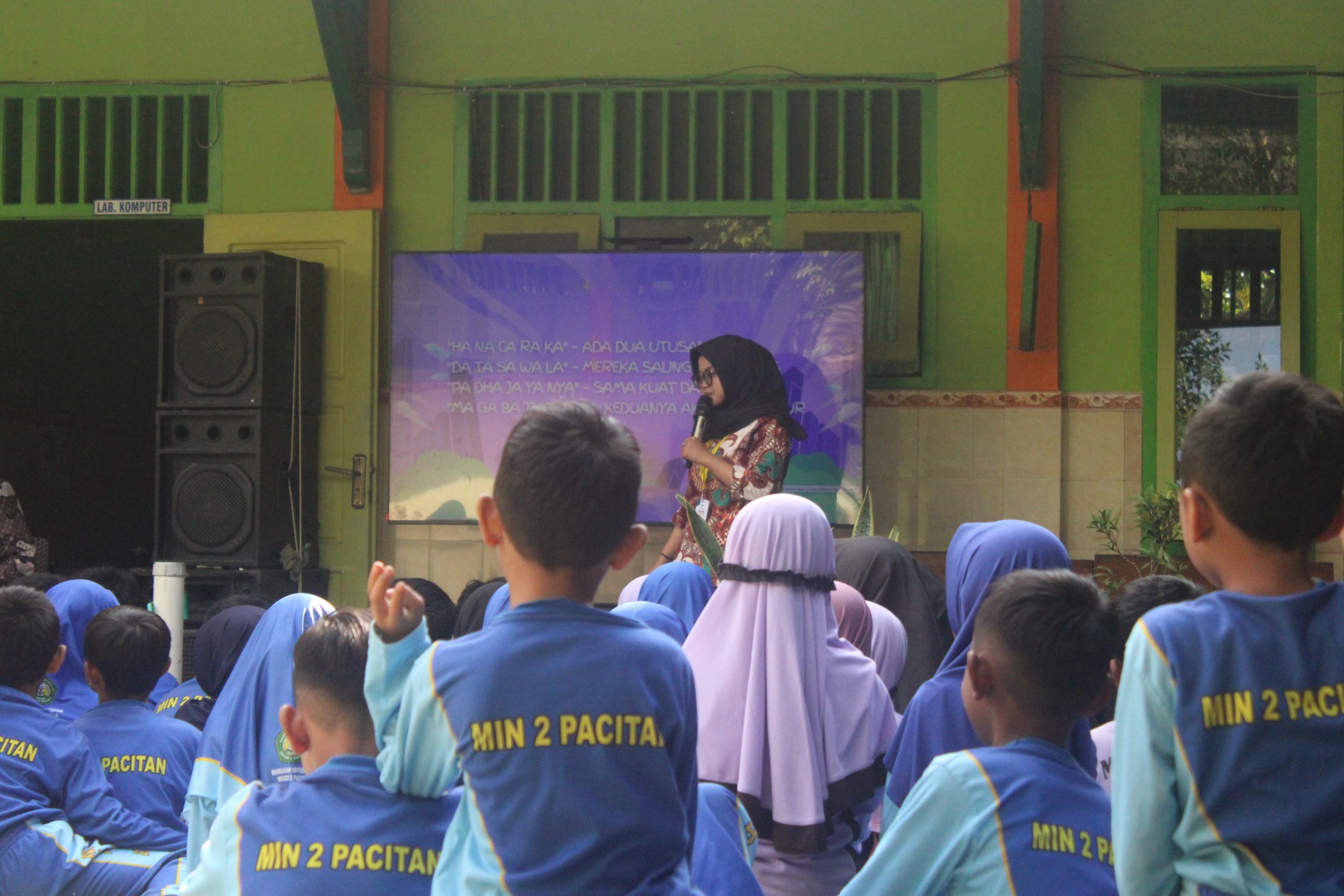
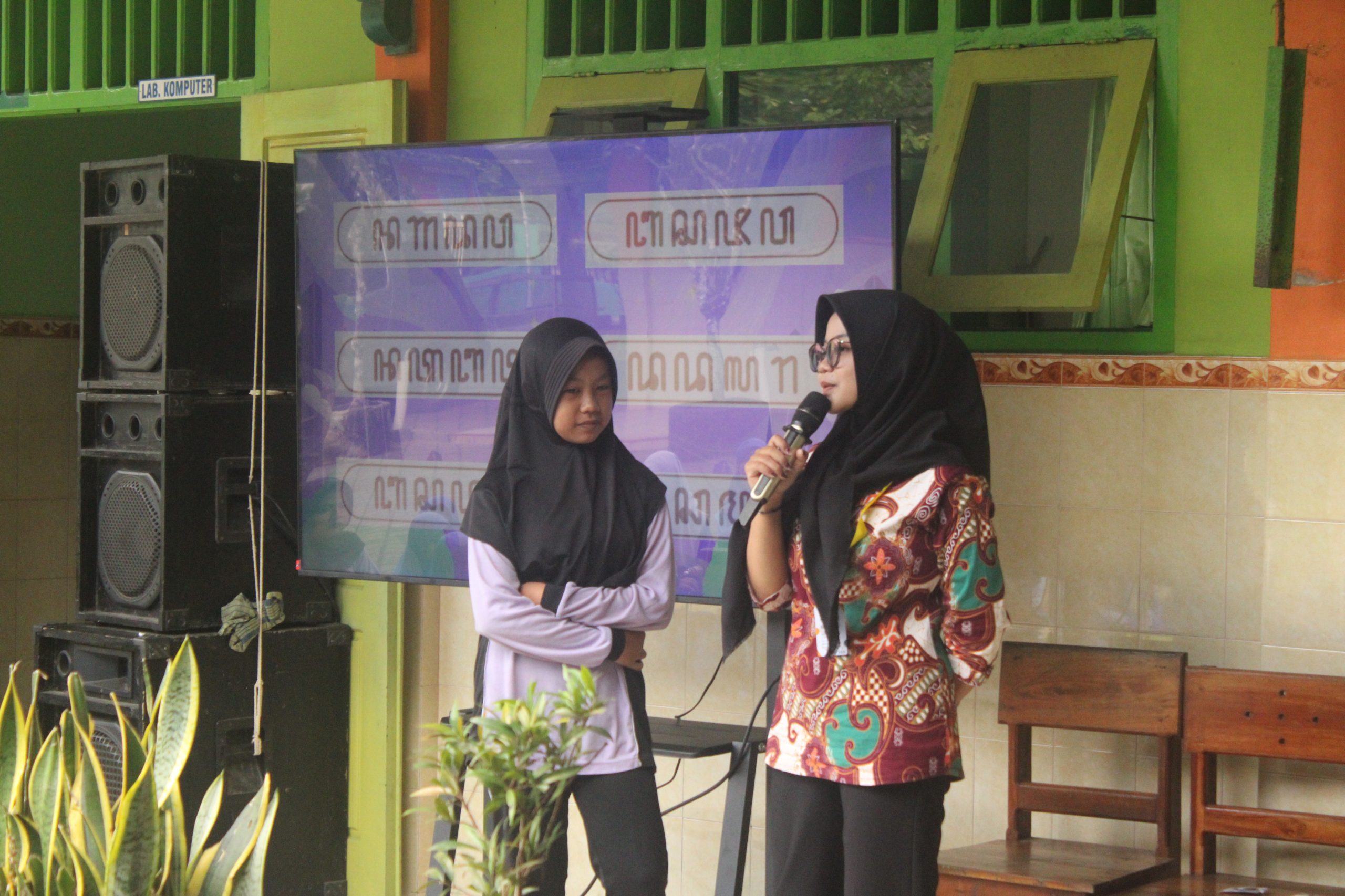
This program was conceived by Dhiny Maulina Mahanani, a student of the Javanese Language, Literature, and Culture Study Program, and implemented at Madrasah Ibtidaiyah Negeri (MIN) 2 Pacitan, Bungur Village, Tulakan District, Pacitan Regency, East Java.

Dhiny explained that the background of this program stems from the low interest of students in learning local content, especially Javanese script, which is often considered complicated. Therefore, he developed a more interactive and enjoyable learning method. The activity began with the screening of an animated video about the history of Javanese script, followed by an introduction to the basics of Carakan, its rules of use, and an interactive quiz with prizes to encourage students to express their opinions. This resulted in increased enthusiasm among students, as evidenced by their active participation and various questions.

“The goal of this program is to dispel the notion that learning Javanese script is difficult, while also increasing young people's interest in local knowledge. This is part of a real effort to preserve Javanese culture,” said Dhiny in an online interview on September 30, 2025.

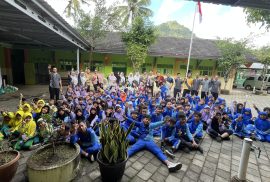
Initially, the program was planned to be targeted only at third-grade students. However, thanks to the support of the school, the teaching target was expanded to include all students in grades 1-6, with a total of 109 participants. This situation presented its own challenges in implementing the program.

Despite facing challenges in managing a large number of students, Dhiny admitted that interactive methods helped her maintain the participants' focus and enthusiasm. Support from the school was also key to the success of this program. “I am proud and happy to be able to share my knowledge and successfully attract students to learn about local knowledge. I am also touched because all the teachers and students have noticed a change in the students' enthusiasm for learning,” she added.

The presence of the P4 Carakan program is an example of how community service activities can serve to empower the community while also promoting local culture that has begun to be marginalized. The P4 Carakan program is proof that efforts to preserve and revive culture can begin in small classrooms in rural areas. Through continuous cooperation, cultural preservation does not only remain at a symbolic level, but can also find its relevance in the midst of community life, namely as a form of national identity and the cultural wealth of the archipelago.

A UGM Student Implements the “Sira Saraja” (Sinau Rame Aksara Jawa) Program to Promote the Use of Javanese Script and Language in Blitar

College StudentNewsSDGSStudentStudent's ActivityStudent's Work Tuesday, 2 September 2025

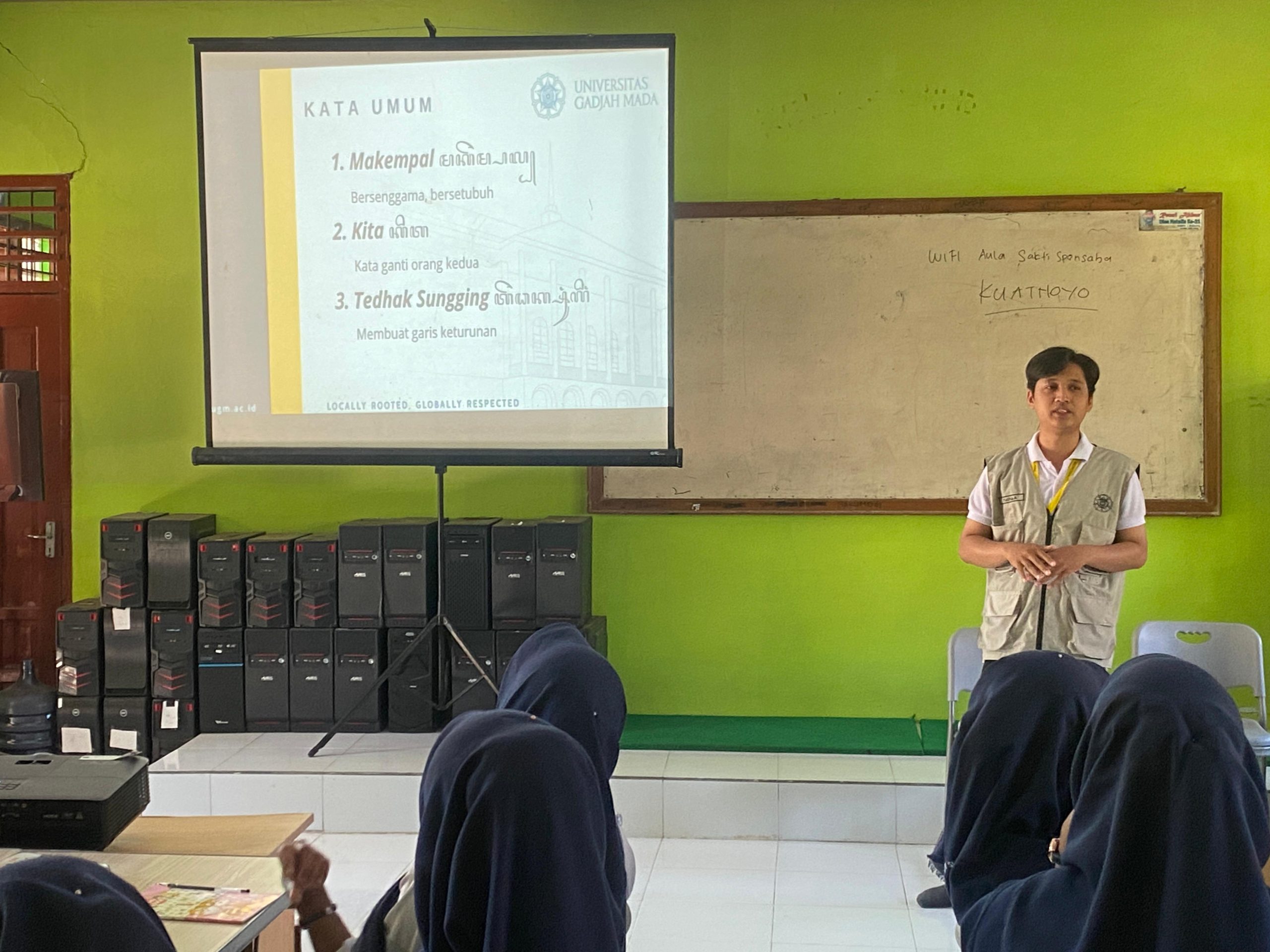
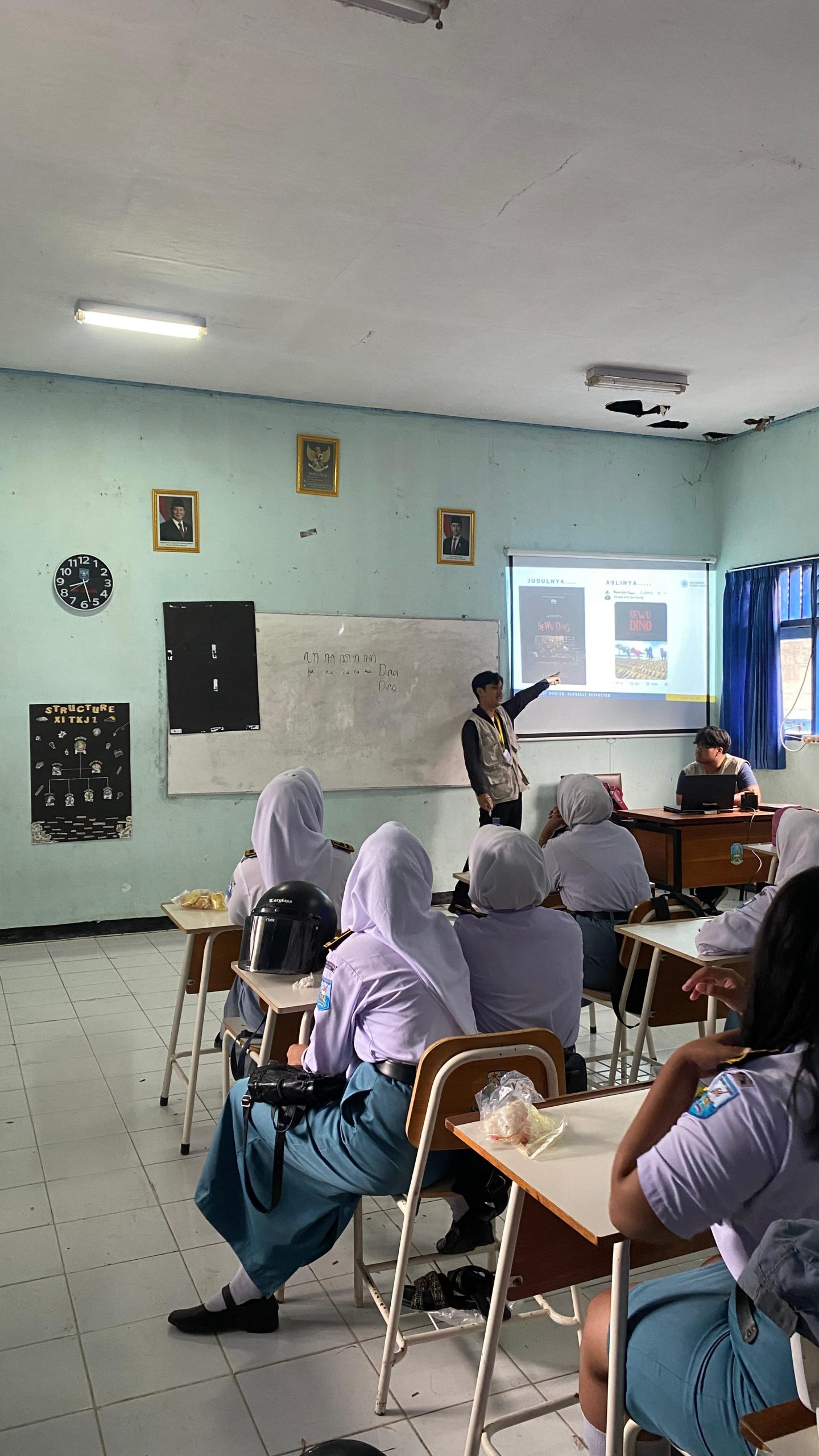
Universitas Gadjah Mada is holding a 50-day Community Empowerment Field Study Program (KKN-PPM) from June 20 to August 8, 2025. In its implementation, students are assigned to serve by carrying out programs aimed at community empowerment. This includes Yudha Adhistira, a student in the Javanese Language, Literature, and Culture Study Program, who is implementing the “Sira Saraja” (Sinau Rame Aksara Jawa) program in Blitar Regency, East Java. This program focuses on socializing the use of Javanese script and language to elementary to high school students in Bululalang Village and Bakung District, highlighting a number of common mistakes, such as the use of the words “makempal” and “tedhak sungging,” as well as errors in writing the names of villages and public places on digital platforms such as Google Maps.

In an online interview on August 31, 2025, Yudha explained that the aim of this program is to reduce misconceptions about the use of Javanese script and language, while fostering motivation and interest among the younger generation in  Javanese language objects. “To attract this interest, the material has been designed to be appealing, such as displaying examples of beautiful Javanese manuscripts, conducting case studies of Javanese-language pop works, and introducing the potential of Javanese cultural objects and tourism in the Blitar area,” he explained.

However, the implementation of this program is not without challenges. Yudha revealed that there is still a lack of educators who are experts in the Javanese language and a limited number of student worksheets (LKS) that focus on Javanese script. Nevertheless, the students' enthusiasm was evident through their active questioning and interaction during the activities. "The situation was quite exciting and challenging, especially when presenting new things that could attract the children's interest. Despite some difficulties, the children's enthusiasm through their interactions and many questions about this teaching method is a joy in itself," he added.

The Sira Saraja program also reflects the importance of preserving regional languages as part of national identity. The slogan “language is the soul of a nation” is relevant in efforts to preserve and develop regional languages. The conditions in Bululalang Village and Bakung District are concrete examples of the current state of regional languages, which are becoming increasingly “foreign” to their speakers.

In line with this, in his lecture, Prof. Dr. Hendrokumoro, M.Hum., lecturer in the Javanese Language, Literature, and Culture Study Program and professor of Linguistics at the Faculty of Cultural Sciences, Universitas Gadjah Mada, emphasized the importance of a flexible, enjoyable, and relevant approach to learning regional languages (Hendrokumoro 2025, May 8). This is an important strategy so that regional language learners, especially native speakers, can continue to preserve and revive regional languages as a form of national identity. Therefore, synergy between various parties is needed as a joint effort in the preservation and development of regional languages in Indonesia.
 

Bibliography

Hendrokumoro. [Universitas Gadjah Mada]. (2025, May 8). Pengukuhan Prof. Dr. Hendrokumoro, M.Hum., Guru Besar Fakultas Ilmu Budaya UGM. [Video]. Youtube. Retrieved from https://www.youtube.com/watch?v=1d6PJDguBFk.

123…8

Recent Post

  • Seputar Jawa: Banten Javanese Dialect, a Dialect that Exists at the Westernmost of Javanese Island
    March 10, 2026
  • Seputar Jawa: Forms of Javanese Proverbs
    March 9, 2026
  • Graduating in 3.5 Years: The Strategy of Three Students from the Javanese Language, Literature, and Culture Study Program at UGM in Completing Their Studies
    March 2, 2026
  • Seputar Jawa: Basa Kedhaton and Basa Bagongan, Typical Speech Varieties of the Surakarta and Yogyakarta Palaces
    March 2, 2026
  • Three Students from the Javanese Language, Literature, and Culture Study Program Successfully Graduated in 3.5 Years
    February 26, 2026

Calender

April 2026
M T W T F S S
 12345
6789101112
13141516171819
20212223242526
27282930  
« Mar    
  • Fakultas Ilmu Budaya
  • Ujian Masuk UGM
  • PPSMB
  • Alumni
  • Jurnal Humaniora
April 2026
M T W T F S S
 12345
6789101112
13141516171819
20212223242526
27282930  
« Mar    

News

  • Seputar Jawa: Banten Javanese Dialect, a Dialect that Exists at the Westernmost of Javanese Island
    March 10, 2026
  • Seputar Jawa: Forms of Javanese Proverbs
    March 9, 2026
  • Graduating in 3.5 Years: The Strategy of Three Students from the Javanese Language, Literature, and Culture Study Program at UGM in Completing Their Studies
    March 2, 2026
Universitas Gadjah Mada

Javanese Language, Literature, and Culture Program
Department of Language and Literature
Faculty of Cultural Sciences
Universitas Gadjah Mada


Sosiohumaniora St., Bulaksumur, Yogyakarta
Telp : 0274-901134 Ext. 110, Fax : 0274-550451, WhatsApp : 081211911281
Email : nusantara@ugm.ac.id

© 2025 Javanese Language, Literature, and Culture Program FIB UGM

KEBIJAKAN PRIVASI/PRIVACY POLICY