Universitas Gadjah Mada (UGM) is once again implementing the Community Empowerment Field Study Program (KKN-PPM), a student service program that is both an academic tradition and a form of social responsibility for universities towards the community. The 50-day program, running from June 20 to August 8, 2025, places students in various regions to interact with the community, identify needs, and provide creative, science-based solutions. Among the many programs initiated by students, one that stands out is P4 Carakan (Introduction, Learning, Training, and Application of Carakan), a concrete effort to preserve and promote Javanese script in Pacitan Regency, East Java.
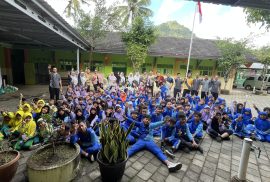
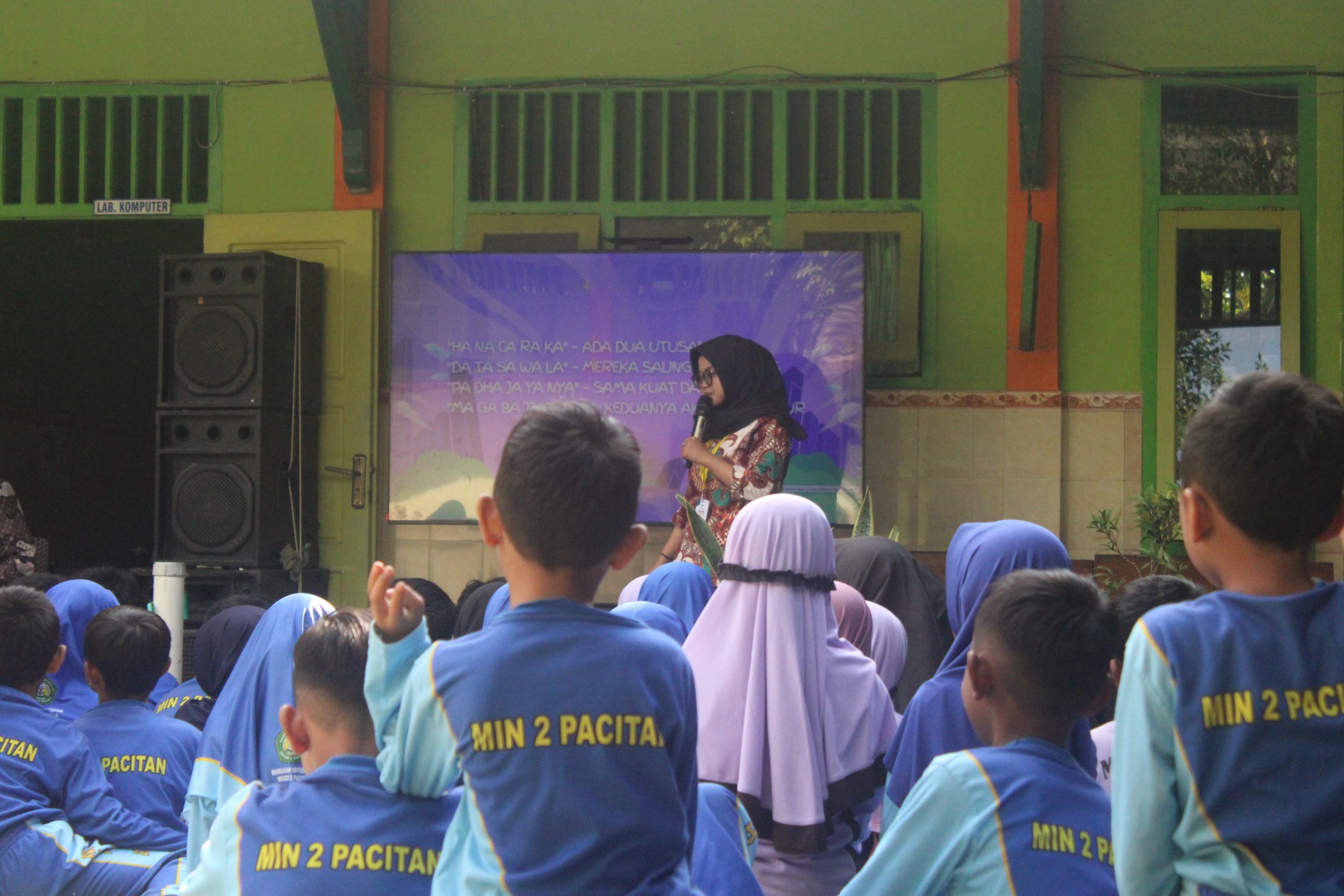
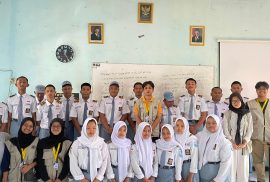
This program was conceived by Dhiny Maulina Mahanani, a student of the Javanese Language, Literature, and Culture Study Program, and implemented at Madrasah Ibtidaiyah Negeri (MIN) 2 Pacitan, Bungur Village, Tulakan District, Pacitan Regency, East Java.
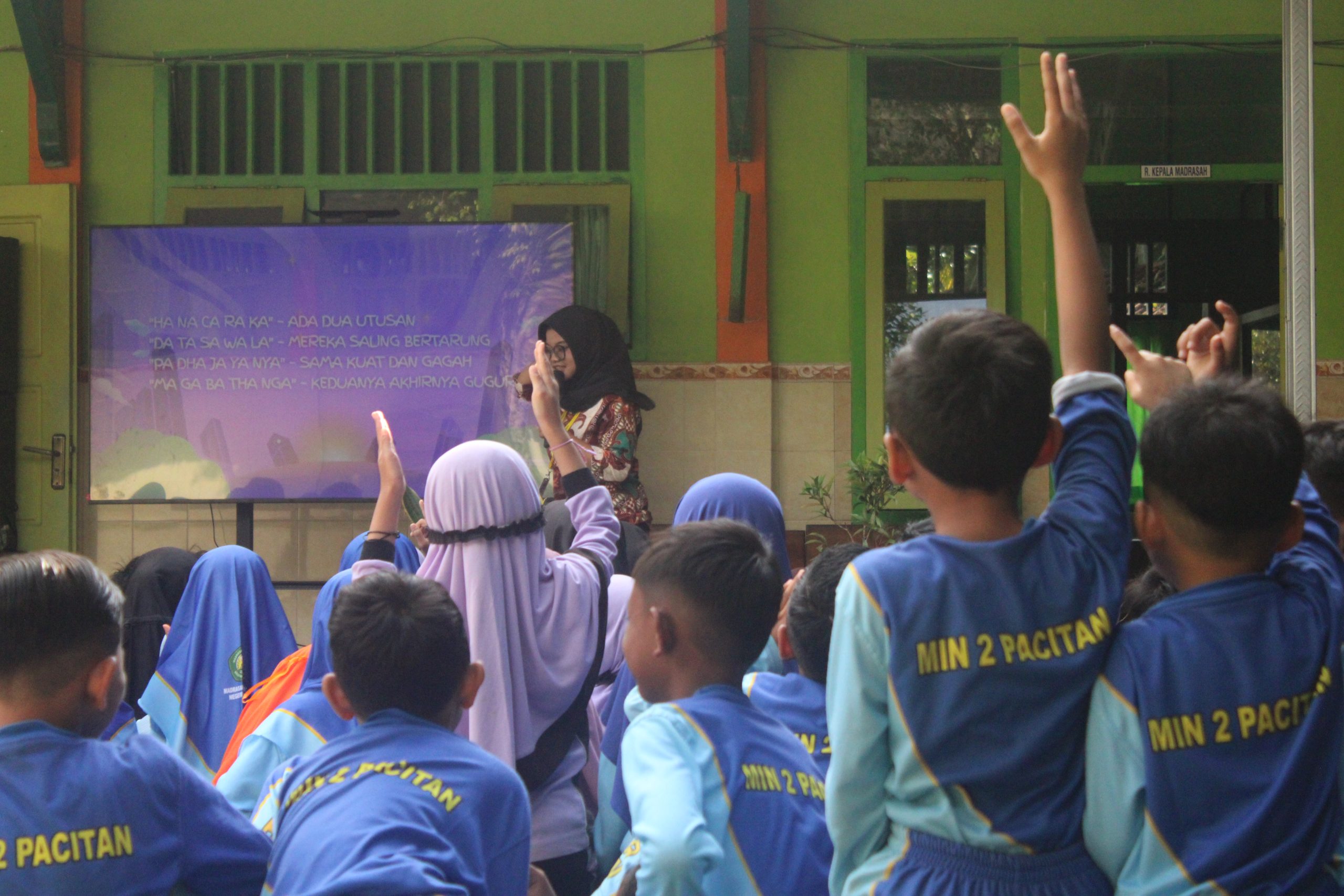
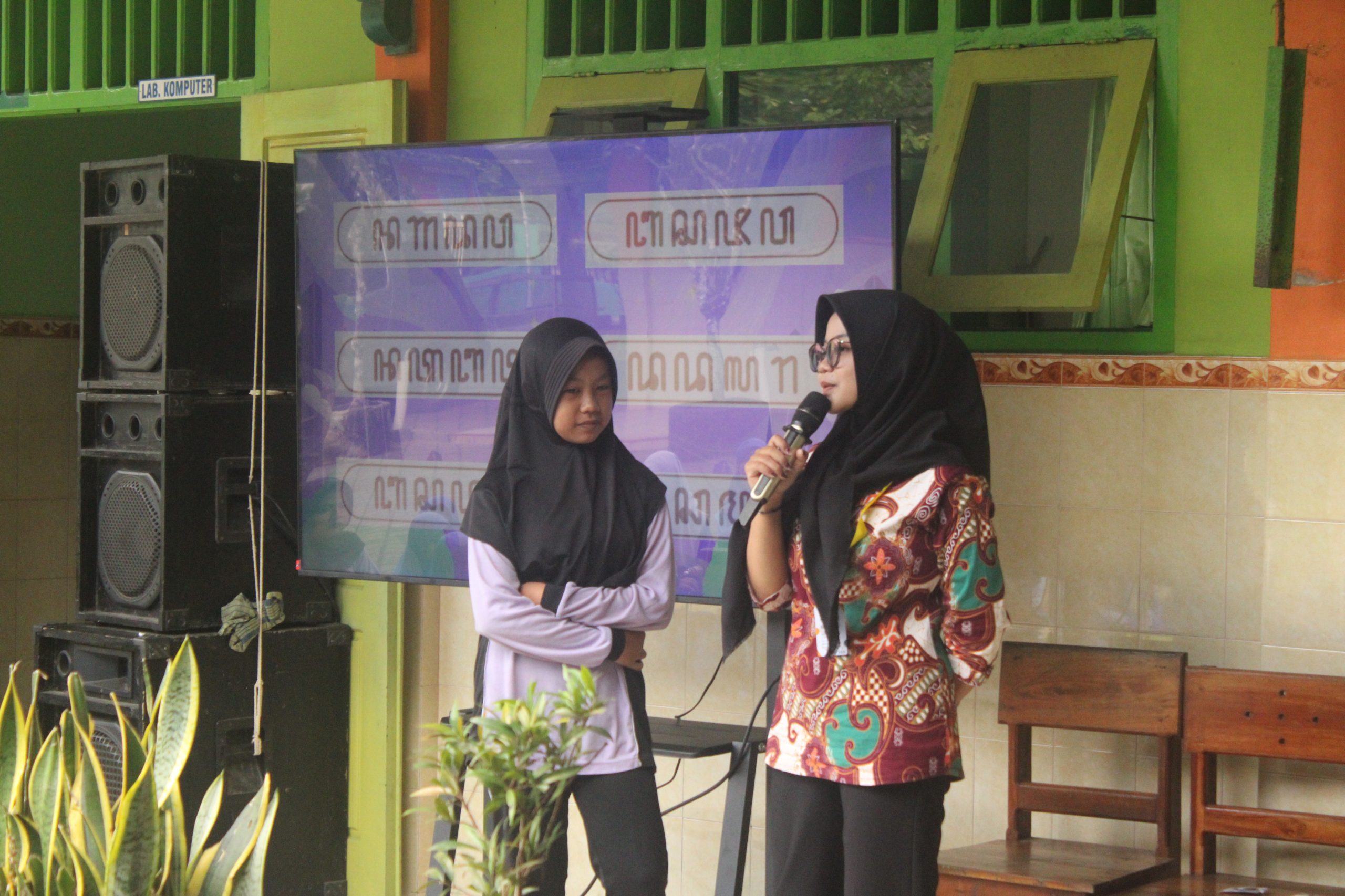
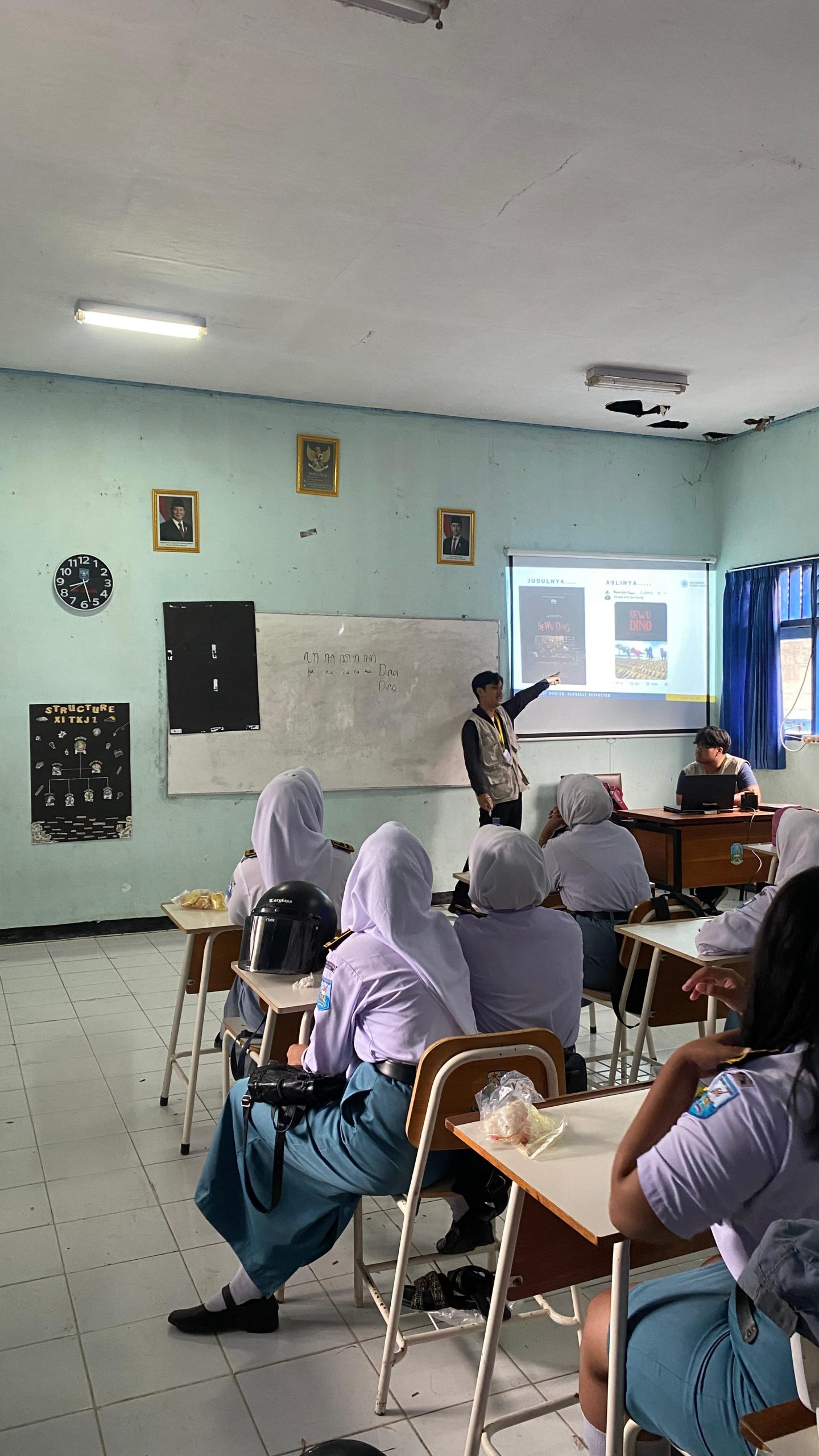
Dhiny explained that the background of this program stems from the low interest of students in learning local content, especially Javanese script, which is often considered complicated. Therefore, he developed a more interactive and enjoyable learning method. The activity began with the screening of an animated video about the history of Javanese script, followed by an introduction to the basics of Carakan, its rules of use, and an interactive quiz with prizes to encourage students to express their opinions. This resulted in increased enthusiasm among students, as evidenced by their active participation and various questions.
“The goal of this program is to dispel the notion that learning Javanese script is difficult, while also increasing young people's interest in local knowledge. This is part of a real effort to preserve Javanese culture,” said Dhiny in an online interview on September 30, 2025.
Initially, the program was planned to be targeted only at third-grade students. However, thanks to the support of the school, the teaching target was expanded to include all students in grades 1-6, with a total of 109 participants. This situation presented its own challenges in implementing the program.
Despite facing challenges in managing a large number of students, Dhiny admitted that interactive methods helped her maintain the participants' focus and enthusiasm. Support from the school was also key to the success of this program. “I am proud and happy to be able to share my knowledge and successfully attract students to learn about local knowledge. I am also touched because all the teachers and students have noticed a change in the students' enthusiasm for learning,” she added.
The presence of the P4 Carakan program is an example of how community service activities can serve to empower the community while also promoting local culture that has begun to be marginalized. The P4 Carakan program is proof that efforts to preserve and revive culture can begin in small classrooms in rural areas. Through continuous cooperation, cultural preservation does not only remain at a symbolic level, but can also find its relevance in the midst of community life, namely as a form of national identity and the cultural wealth of the archipelago.
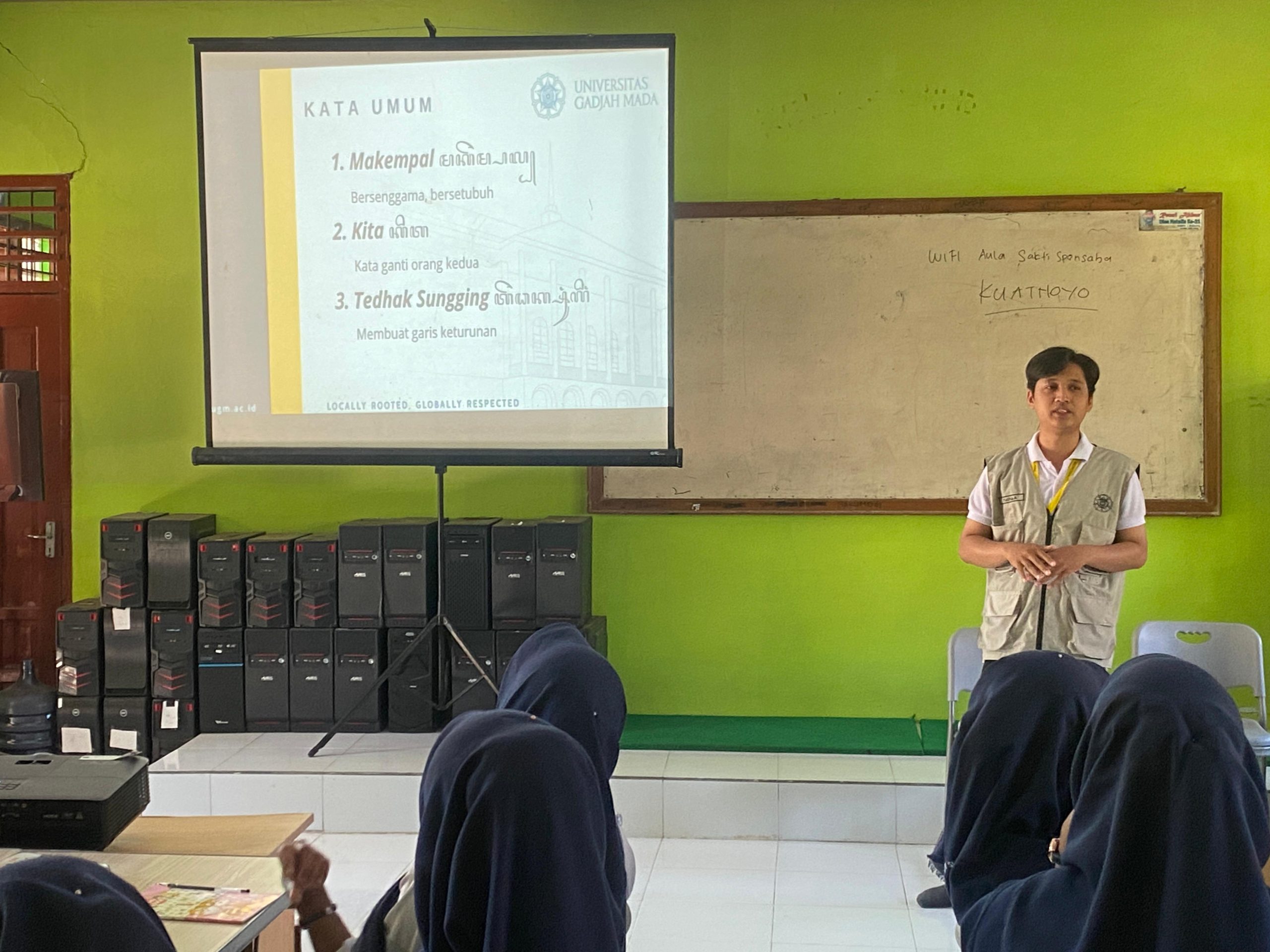
Universitas Gadjah Mada is holding a 50-day Community Empowerment Field Study Program (KKN-PPM) from June 20 to August 8, 2025. In its implementation, students are assigned to serve by carrying out programs aimed at community empowerment. This includes Yudha Adhistira, a student in the Javanese Language, Literature, and Culture Study Program, who is implementing the “Sira Saraja” (Sinau Rame Aksara Jawa) program in Blitar Regency, East Java. This program focuses on socializing the use of Javanese script and language to elementary to high school students in Bululalang Village and Bakung District, highlighting a number of common mistakes, such as the use of the words “makempal” and “tedhak sungging,” as well as errors in writing the names of villages and public places on digital platforms such as Google Maps.
In an online interview on August 31, 2025, Yudha explained that the aim of this program is to reduce misconceptions about the use of Javanese script and language, while fostering motivation and interest among the younger generation in Javanese language objects. “To attract this interest, the material has been designed to be appealing, such as displaying examples of beautiful Javanese manuscripts, conducting case studies of Javanese-language pop works, and introducing the potential of Javanese cultural objects and tourism in the Blitar area,” he explained.
However, the implementation of this program is not without challenges. Yudha revealed that there is still a lack of educators who are experts in the Javanese language and a limited number of student worksheets (LKS) that focus on Javanese script. Nevertheless, the students' enthusiasm was evident through their active questioning and interaction during the activities. "The situation was quite exciting and challenging, especially when presenting new things that could attract the children's interest. Despite some difficulties, the children's enthusiasm through their interactions and many questions about this teaching method is a joy in itself," he added.
The Sira Saraja program also reflects the importance of preserving regional languages as part of national identity. The slogan “language is the soul of a nation” is relevant in efforts to preserve and develop regional languages. The conditions in Bululalang Village and Bakung District are concrete examples of the current state of regional languages, which are becoming increasingly “foreign” to their speakers.
In line with this, in his lecture, Prof. Dr. Hendrokumoro, M.Hum., lecturer in the Javanese Language, Literature, and Culture Study Program and professor of Linguistics at the Faculty of Cultural Sciences, Universitas Gadjah Mada, emphasized the importance of a flexible, enjoyable, and relevant approach to learning regional languages (Hendrokumoro 2025, May 8). This is an important strategy so that regional language learners, especially native speakers, can continue to preserve and revive regional languages as a form of national identity. Therefore, synergy between various parties is needed as a joint effort in the preservation and development of regional languages in Indonesia.
Bibliography
Hendrokumoro. [Universitas Gadjah Mada]. (2025, May 8). Pengukuhan Prof. Dr. Hendrokumoro, M.Hum., Guru Besar Fakultas Ilmu Budaya UGM. [Video]. Youtube. Retrieved from https://www.youtube.com/watch?v=1d6PJDguBFk.
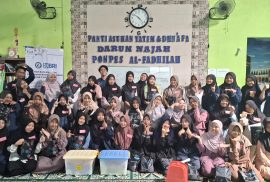
On Sunday (August 24, 2025), HMJ Kamastawa conducted social service and teaching activities at the Darun Najah Orphanage and Shelter for the Poor in Maguwoharjo Village, Depok, Sleman. This initiative, organized by the Social Community Division and the Academic Division, reflects the students' social responsibility and dedication to the community as part of implementing the Tri Dharma of Higher Education. The target audience for the activity was orphaned and underprivileged children, with a focus on educational support for female high school students.
Prior to the social service activity, the Social Community Division opened donations of money and goods, including reading books, stationery, and cleaning supplies. These donations were then distributed to meet the needs of the Darun Najah Orphanage.
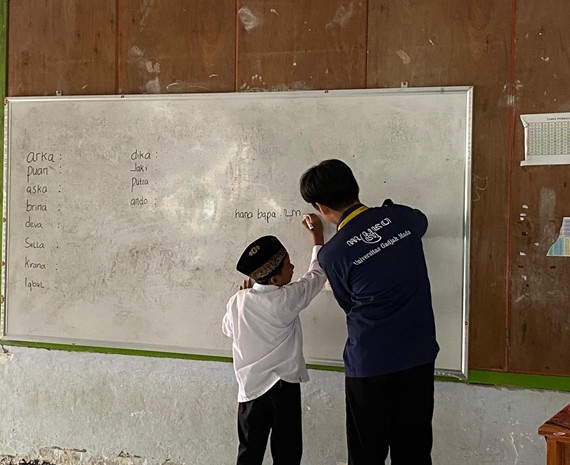
The series of events began with a teaching activity guided by the Academic Division with the theme of Javanese script and how to write it. In this session, students presented interactive group games. Participants were asked to answer questions competitively, and each correct and quick answer would earn points. After the game ended, the group with the most points was entitled to a prize.
The event continued with a social service activity by the Social Community Division, which donated snacks and necessities for the orphanage, such as brooms, boxes, and so on. The funds for these necessities were obtained from an open donation that had been opened previously.
The event concluded with a symbolic presentation of commemorative plaques and the handover of donations from the chairman of HMJ Kamastawa to representatives of the Darun Najah Orphanage management. Students and orphanage children also took part in a group photo session to commemorate the occasion and share stories.
Kamastawa's community service activities are not merely about carrying out work programs, but also provide a shared learning space that offers valuable experiences for both students and children at the orphanage. In addition, these activities support the achievement of the Sustainable Development Goals (SDGs) in the areas of health, education, equality, and sustainable communities and partnerships.