April
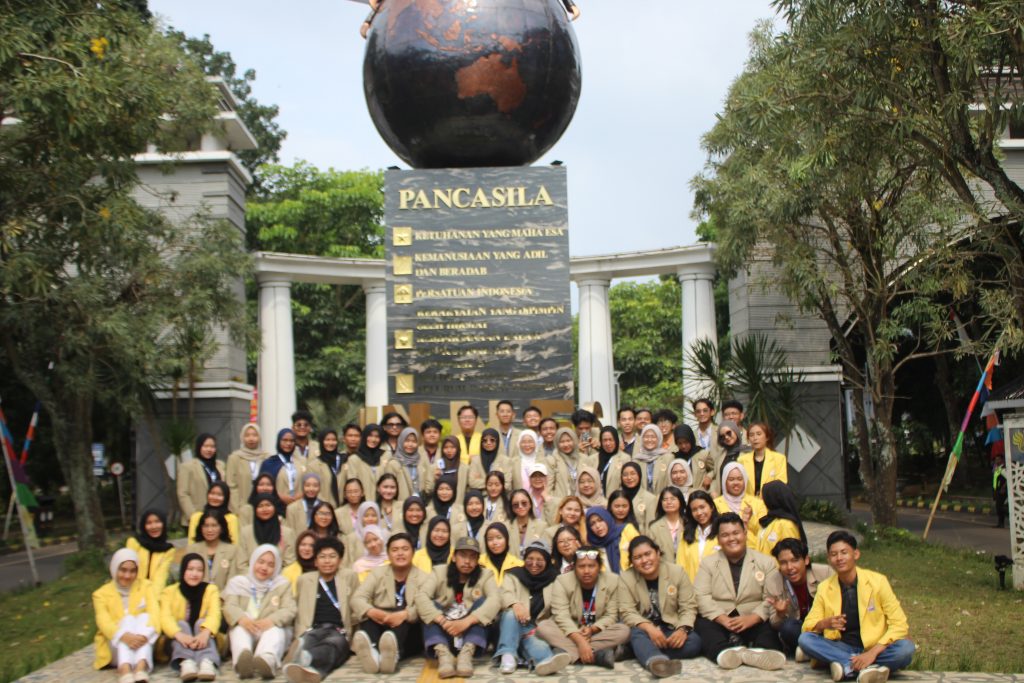

On Friday (04/24/2026), the Balai Bahasa Provinsi Daerah Istimewa Yogyakarta and the Faculty of Cultural Sciences Universitas Gadjah Mada signed a cooperation agreement concerning the synergy of language and literature development, cultivation, and preservation through the strategic role of higher education institutions. This activity formed part of an effort to strengthen collaboration between language institutions and academic institutions in maintaining the sustainability of language and literature amid the dynamics of globalization.
The cooperation agreement was signed by Drs. Umar Solikhan, M.Hum., as the Head of the Yogyakarta Language Office and Dr. Mimi Savitri, M.A. as the Vice Dean for Research, Community Service, Cooperation, and Alumni Affairs of the Faculty of Cultural Sciences. Through this partnership, both parties committed to developing various collaborative programs in the fields of education, language development, and academic advancement, including student internships, language competency enhancement, regional language preservation, academic activities, and the development of the Indonesian for Foreign Speakers (BIPA) program.
The event was also attended by representatives of the Badan Pengembangan dan Pembinaan Bahasa as well as heads of language offices from several provinces, including Banten, West Java, Central Java, and East Java. The presence of these stakeholders reflected the importance of cross-regional synergy in strengthening both language policies and the implementation of national language programs.
In his remarks, Drs. Umar Solikhan, M.Hum., emphasized that the Language Office’s attention is directed not only toward the status of the Indonesian language, but also toward the sustainability of regional languages. According to him, the preservation of regional languages is one of the major tasks that urgently needs to be strengthened.
“Indonesia possesses extraordinary linguistic diversity. However, the current condition is certainly far from ideal. Our younger generation seems to be increasingly unfamiliar with regional languages and finds it difficult to use them.”
He further explained that the Language Office would strengthen regional language preservation efforts through several measures, such as improving teachers’ competencies and the quality of regional language instruction, adjusting educational curricula, and empowering local communities. In this context, the cooperation between the Yogyakarta Language Office and the Faculty of Cultural Sciences serves as one concrete step in supporting these efforts.
Through this collaboration, it is hoped that an ecosystem supporting the strengthening of Indonesian and regional linguistic and literary identities can be established, while also encouraging innovation in linguistic studies and practices relevant to contemporary societal needs. One concrete initiative that has already been implemented is the development of a Javanese language corpus organized by the Yogyakarta Language Office with the involvement of students from the Javanese Language, Literature, and Culture Study Program, FIB UGM.
Author : Haryo Untoro
Editor : Haryo Untoro
Javanese Script Font Socialization Encourages Digital Javanese Script Use
College StudentNewsSDGSStudentStudent's ActivityStudent's Work Thursday, 23 April 2026
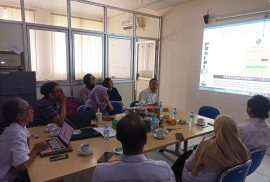
Yogyakarta, Selasa, 22 April 2026 — Program Studi Bahasa, Sastra, dan Budaya Jawa, Fakultas Ilmu Budaya Universitas Gadjah Mada, menyelenggarakan kegiatan sosialisasi fon aksara Jawa di ruang Margono 402. Kegiatan ini ditujukan bagi perwakilan dosen dan mahasiswa sebagai upaya meningkatkan pemahaman penggunaan aksara Jawa dalam ranah digital.
Sosialisasi ini dilatarbelakangi oleh berbagai kendala yang selama ini dihadapi civitas academica dalam penggunaan fon aksara Jawa. Sejumlah permasalahan yang kerap muncul antara lain perbedaan tata letak papan tombol dengan sistem huruf Latin, ketidakterbacaan fon pada perangkat tertentu yang ditandai dengan kemunculan simbol tofu atau kotak (tanda tidak terbaca), hingga perbedaan kompatibilitas antara sistem papan tombol atau keyboard layout seperti Windows dan Macintosh. Kondisi tersebut dinilai menghambat penggunaan aksara Jawa, padahal aksara ini menjadi bagian penting dalam kajian serta preservasi budaya di lingkungan program studi.
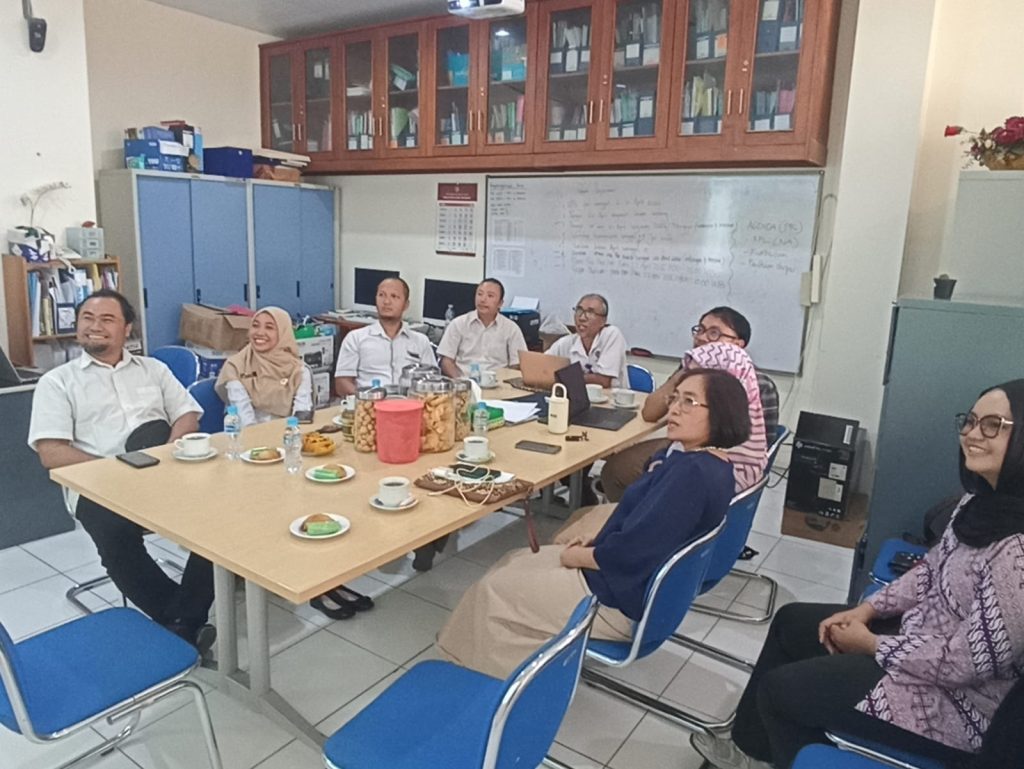
Untuk menjawab persoalan tersebut, kegiatan ini menghadirkan Setya Amrih Prasaja, S.S., M.Pd., alumni Program Studi Bahasa, Sastra, dan Budaya Jawa, yang dikenal sebagai pengembang fon aksara Jawa digital. Selain itu, kegiatan ini juga dihadiri oleh perwakilan Dinas Kebudayaan (Kundha Kabudayan) Daerah Istimewa Yogyakarta sebagai bentuk dukungan terhadap upaya pelestarian budaya melalui teknologi.
Dalam pemaparannya, narasumber menjelaskan proses pengembangan fon dan keyboard layout aksara Jawa, termasuk tantangan teknis yang dihadapi dalam penerapannya di berbagai platform. Ia juga menguraikan langkah-langkah pengenalan aksara Jawa digital di tingkat nasional maupun internasional, serta pengembangan sistem yang dapat dioperasikan pada berbagai perangkat. Tidak hanya itu, peserta juga diperkenalkan pada sejumlah fon aksara Jawa yang dapat diakses secara bebas tanpa kendala lisensi.
Melalui kegiatan ini, peserta diharapkan memperoleh pemahaman yang lebih komprehensif mengenai penggunaan papan tombol dan fon aksara Jawa dalam konteks digital. Lebih lanjut, sosialisasi ini diharapkan dapat mendorong penyebarluasan pengetahuan kepada civitas academica dan khalayak yang lebih luas, sebagai bagian dari upaya pelestarian sekaligus penguatan eksistensi aksara Jawa di era digital.
Penulis : Haryo Untoro
Editor : Haryo Untoro


Students of the Javanese Language, Literature, and Culture Study Program Participate in the Development and Utilization of a Javanese Language Corpus
College StudentNewsSDGSStudentStudent's ActivityStudent's Work Wednesday, 22 April 2026
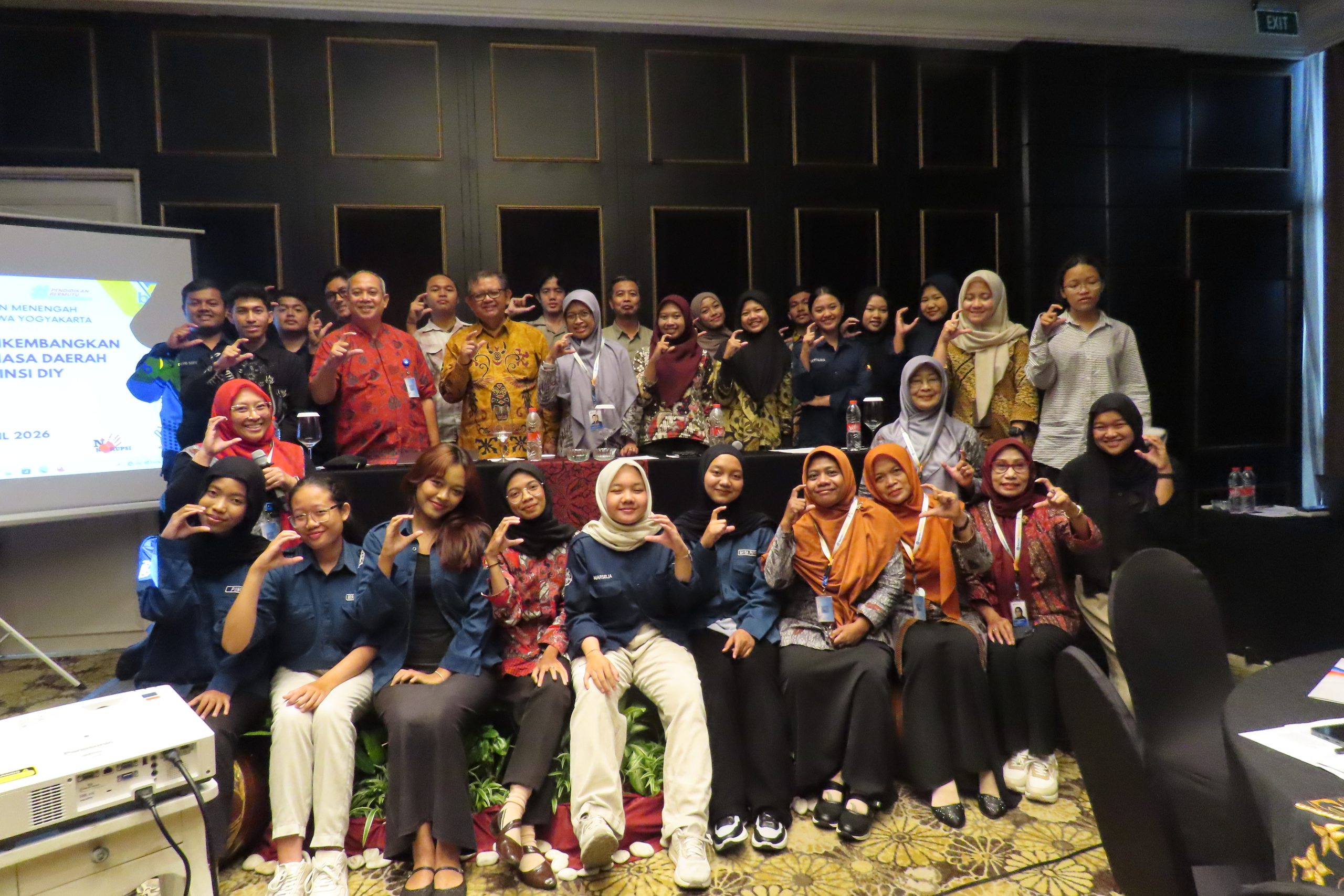
On Tuesday (April 21, 2026), ten students from the Javanese Language, Literature, and Culture Study Program, Faculty of Cultural Sciences, Universitas Gadjah Mada, participated in an activity entitled “Developed Language Corpus” organized by the Language Office of the Special Region of Yogyakarta Province. The activity took place from 08:00 am to 04:00 pm WIB in the Pandawa 2 Room at Swiss-Belboutique Yogyakarta. The ten students were Andini Nuraini, Arfia Kholifatul Ummamah, Bernadetta Rahayunin Tyas, David Sofyan Wilaynto, Diyah Pitaloka, Inoora Putri Haliza, Marseli Dwitanti, Maysa Putri Fatihah, Pingky Putri Khairani, and Wreksi Awinanggya Pinandhita.
During the activity, participants gained knowledge about corpus development and utilization, corpus-based preservation of the Javanese language, as well as techniques for collecting and processing corpus data. Based on an online interview with Maysa Putri Fatihah, one of the participants, on April 27, 2026, the initial meeting focused on technical explanations and task distribution. The next stage involved the collection of initial Javanese corpus data over a period of 20 days, followed by data processing activities such as cleaning and editing, which lasted approximately one month. These initial stages were carried out by the participants, who were referred to in the program as field assistants. Meanwhile, the subsequent stages, such as coding, metadata input, and finalization, were managed by the Yogyakarta Language Office.
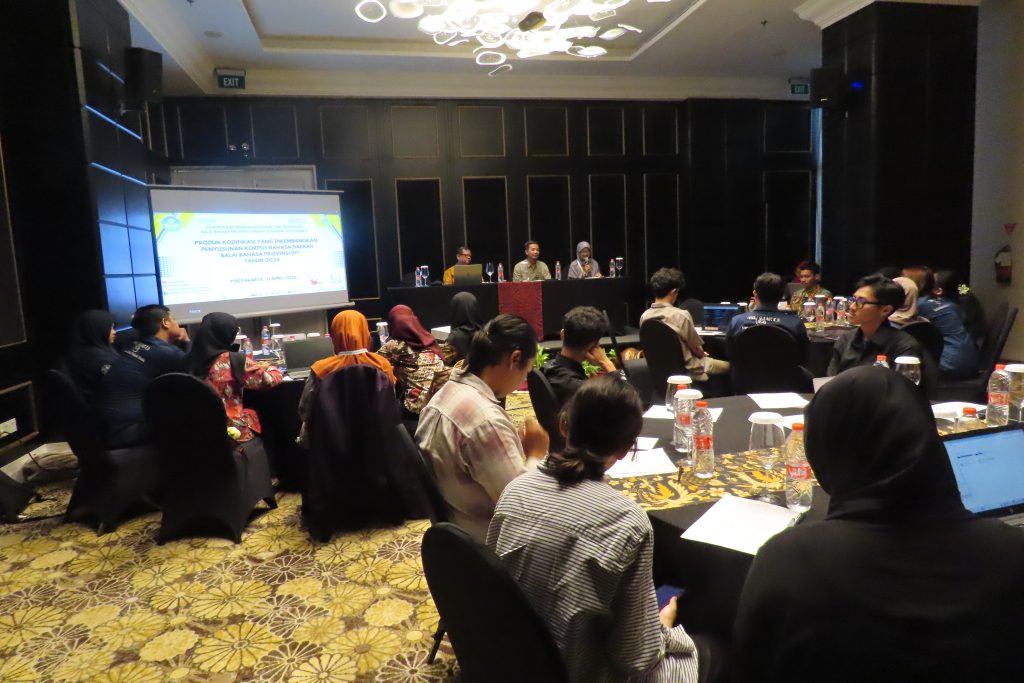
In its development process, the corpus tool used was AntConc. Javanese language data were collected from various written sources, including old manuscripts, books, book chapters, articles, academic works, mass media, newspaper reports, social media, blogs, literary works, folktales, letters, and speeches. All texts then underwent an editing process before being entered into the system as corpus material.
According to Maysa, she was pleased to be part of the program. “I am very grateful to be able to learn something new, especially the technical aspects of corpus data processing, which were practiced directly. Previously, I had attended a public lecture on Javanese manuscript corpora, but it was only theoretical,” she explained.

The development of a Javanese language corpus is considered a strategic step in reserving and preserving Javanese as part of Indonesia’s regional linguistic heritage. Beyond preservation, this corpus also opens opportunities for use in the field of digital humanities, such as linguistic research, the development of teaching materials, and the design of data-driven curricula. This program also reflects collaboration between government institutions and educational institutions in fostering linguistic innovation that remains relevant to contemporary developments.
Author : Haryo Untoro
Editor : Haryo Untoro
Seputar Jawa: The Digital Javanese Script Keyboard System
College StudentNewsSDGSStudentStudent's ActivityStudent's Work Monday, 13 April 2026
Typing Javanese script on digital devices is often not as easy as imagined. Instead of displaying the expected letters, the screen often displays a row of blank squares or tofu, a sign that the font is not legible. This problem is not isolated. In addition to font limitations, the differences in typing systems between the Latin alphabet and Javanese script also make it difficult for users to adapt. Furthermore, keyboard layouts vary across operating systems, from Windows to Macintosh to Android. This directly complicates the use and preservation of Javanese script, especially in the digital realm.
A number of Javanese script fonts are already available and can be used freely, such as NyK Ngayogyan and NyK Ngayogyan Jejeg, developed by the Yogyakarta Special Region Cultural Office. However, the problems don't stop at visual appearance. Without a uniform keyboard system, users continue to face obstacles in their daily typing practices.
This situation prompted the development of a Javanese script keyboard system based on the Indonesian script keyboard (SNI 9048). This system was designed with reference to the Serat Wulangreh manuscript as a cultural basis, while also being adapted to the needs of use on various digital devices. Through this standardization, it is hoped that uniformity in typing Javanese script will be achieved, eliminating the need for users to adapt to different systems.
This keyboard system is now available for various devices and is freely accessible to the public. Users can download and install it according to their operating system, whether Windows, Macintosh, or Android. The Javanese script keyboard system can be downloaded from https://wongsayuk.webnode.page/my-work/ or https://wongsaayuk.webnode.page by selecting the download menu. On the page, there is a "Javanese Aksara Keyboard" section, then select the SNI Nataksara system in various formats depending on the device: .exe file for Windows, .dmg file for Macintosh, and .apk file for Android.
After downloading and installing, users are advised to restart their device if the system is not immediately usable. An installation guide (pitoedoeh) is also provided to facilitate the installation process and ensure optimal system use.
Once the system is installed, understanding the keyboard layout is the next important step. Users need to understand the differences between the SNI 9048-based system and the device's native system, particularly on Windows devices. These differences can be seen in the image below.
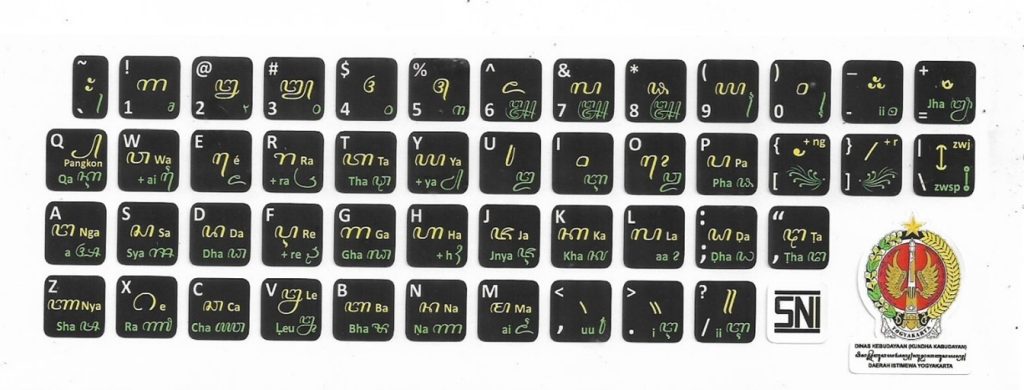
Javanese script keyboard version SNI 9048
Downloaded from Javanese script keyboard version SNI 9048, by S.A. Prasaja, n.t. wongsayuk (https://wongsayuk.webnode.page/my-work/).
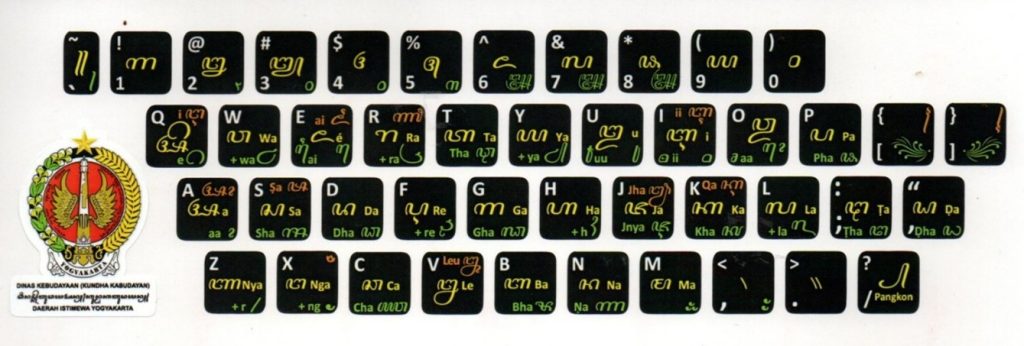
Javanese script keyboard version Windows
Downloaded from Javanese script keyboard version Windows, by S.A. Prasaja, n.t. wongsayuk (https://wongsayuk.webnode.page/my-work/).
The implementation of this standardized keyboard system is a crucial step in addressing the various technical challenges users have faced. Furthermore, the presence of Javanese script in the digital space serves not only as a visual element but also as part of efforts to maintain cultural continuity amidst technological advancements.
Ultimately, preserving Javanese script is not simply a matter of maintaining it; it also requires the courage to develop and adapt it to the times. Continuous support from various parties is key to ensuring that Javanese script not only remains alive but also remains present and empowered within the ever-changing digital ecosystem.
Author : Haryo Untoro
Editor : Haryo Untoro
Bibliography
Prasaja, S.A. (t.t.) Papan Tombol Aksara Djawa Versi SNI 9048. Wongsayuk. https://wongsayuk.webnode.page/my-work/
Prasaja, S.A. (t.t.) Papan Tombol Aksara Djawa Versi Windows. Wongsayuk. https://wongsayuk.webnode.page/my-work/
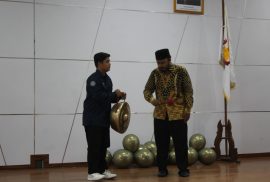
First Gathering of the Sahacitta Cabinet of the Kamastawa Student Association: A Means of Introduction and Strengthening Togetherness
College StudentNewsSDGSStudentStudent's ActivityStudent's Work Monday, 6 April 2026
On Saturday (4/4/2026), the Student Association of the Javanese Language, Literature, and Culture Student Association, or Kamastawa Student Association, held its first meeting, or inaugural meeting, of the Sahacitta Cabinet in the Auditorium on the 7th floor of the Soegondo Building. This event served as a means of building camaraderie among the board members and introducing the organizational structure and work program plans for the next term.
The event began at 7:30 a.m. WIB with an opening reception, followed by a serving of cokekan (rice cake) to open the atmosphere. In addition to all board members and students, the event was also attended by lecturers from the Javanese Language, Literature, and Culture Study Program, Faculty of Cultural Sciences, Gadjah Mada University, as a token of support for student activities.
The event was then officially opened by various Executive Chairs and the Chair of Kamastawa Student Association 2026. On this occasion, the advisor of Kamastawa Student Association, Dr. Rudy Wiratama, S.IP., M.A., also delivered various keynotes and symbolically inaugurated the Sahacitta Cabinet.
Entering the main session, the board introduced the Sahacitta Cabinet by explaining the philosophy of the name, visual identity, and direction of the organization. Etymologically, "Sahacitta" comes from the Sanskrit words "saha," meaning "together," and "citta," meaning "feeling." This naming reflects the spirit of togetherness and a unified consciousness to achieve the organization's goals.
The event continued with an explanation of the division structure and the board members who will implement the work program for the period. Each division explained its function and focus as part of the organization's development efforts, as well as its contribution to the preservation and development of Javanese language, literature, and culture.
The event concluded with a joint documentation session marking the beginning of the Sahacitta Cabinet administration. Through this activity, it is hoped that all board members can work synergistically to strengthen the organization's role, both in the academic environment and in the wider community.
Author : Haryo Untoro
Editor : Haryo Untoro