• University
  • Academic Portal
  • University Library
  • Webmail
  • Arnawa
  • UM UGM
  • English
    • Bahasa Indonesia
    • English
Universitas Gadjah Mada Javanese Language, Literature, and Culture Program
Department of Language and Literature
Faculty of Cultural Sciences
Universitas Gadjah Mada
  • Home
  • Profile
    • Vision & Mission
    • Objective
    • Excellence
    • Career Prospects
    • Teaching Staff
  • Academic
    • Curriculum Flow
    • Distribution of Courses
    • Academic Calendar
    • Course and Administration Information
    • Learning Outcomes
    • INTERNATIONAL CONFERENCES AND ACTIVITIES
  • KPPB
    • Collaboration
    • Research
      • Teaching Staff Research
      • Javanese Studies Archive – Arnawa
    • Service
      • Community Services
      • Podcast (Anarka Lālitya)
    • Scholarship
  • Student Affair
    • Student Satisfaction Survey
    • HMJ Kamastawa
    • Student’s Activity
    • Student’s Creations
    • Youtube Channel
    • Instagram
  • Alumnus
    • Alumnus Profile
  • Contact
  • Home
  • 2026
Arsip:

2026

Preserving the Yogyakarta Batik Tradition through the Work of Aji Setyowijaya, an Alumnus of the Department of Javanese Language, Literature, and Culture

NewsSDGS Friday, 31 July 2026

The Department of Javanese Language, Literature, and Culture, Faculty of Cultural Sciences, Universitas Gadjah Mada, has produced many alumni who have contributed to the preservation and development of the Javanese language, literature, and culture. One of them is Aji Setyowijaya, a member of the 2008 cohort who is now dedicated to the world of batik as a craftsman of traditional Yogyakarta batik.


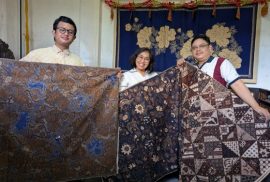
The Department of Javanese Language, Literature, and Culture had the opportunity to visit and interview Aji Setyowijaya, hereafter referred to as Mas Aji, in person on Tuesday, 21 July 2026. The 2008 alumnus, who was also a recipient of a scholarship from Yayasan Arsari Djojohadikusumo (YAD), also known as Yayasan Keluarga Hasyim Djojohadikusumo (YKHD), explained that his interest in batik began with his admiration for inherited batik cloths. He often came across old batik fabrics of exceptional quality and beauty, but they had become so fragile that they were no longer suitable for use. “I used to enjoy looking at inherited batik cloths. The fabrics were beautiful and I wanted to wear them, but they had become too fragile. Eventually, I was motivated to try reproducing old batik cloths. At the same time, during my university years, I also enjoyed wearing rasukan, or traditional Javanese attire,” he said.


This interest encouraged him to begin learning batik-making in 2009. He studied various batik techniques by observing and learning directly at several batik centers in Yogyakarta. During this early period, Mas Aji focused on understanding the principles and techniques of traditional Yogyakarta batik as the primary foundation before developing his own works.


Building on this understanding, between approximately 2013 and 2015, Mas Aji began producing antique batik, also known as batik kama or batik lawasan. According to him, during that period both the public and collectors highly appreciated batik lawasan because it was assumed to have originated several decades earlier. “At that time, in the batik trade, people appreciated antique batik, or kama, or lawasan, with the assumption that the batik was 50–70 years old,” he explained.


However, this experience also gave rise to a sense of concern. According to Mas Aji, batik should not merely be regarded as a classical work that ends with reproducing the past. Batik should continue to develop without abandoning its traditional roots. Based on this perspective, he began incorporating his personal identity into every work he created while also expanding his exploration beyond the characteristic style of Yogyakarta batik.


In line with this spirit, since 2018 Mas Aji has devoted himself to studying natural dye techniques for traditional Yogyakarta batik. For him, learning about natural dyes is not merely about producing a wider range of colors, but also about rediscovering the technical knowledge inherited from earlier generations of batik artisans.


In his creative process, Mas Aji does not work alone. He collaborates with his colleague, Yahya Adi Sutikno, who focuses on the design process, while Mas Aji is primarily responsible for production. This collaboration enables them to produce a wide range of batik works through complementary approaches.


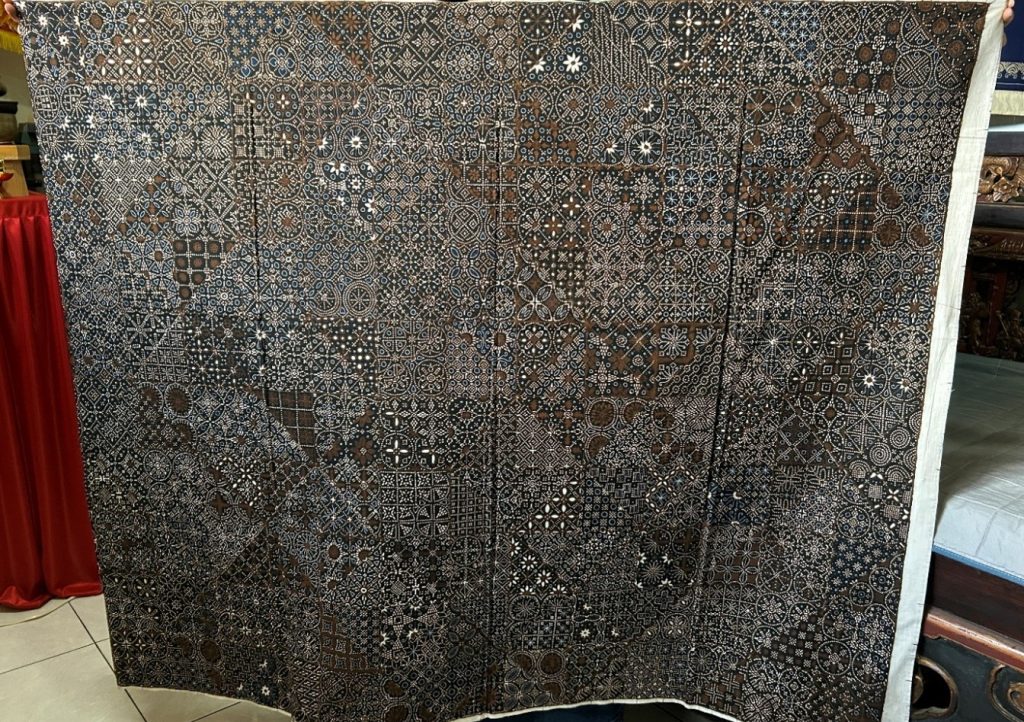
Their works include sample pieces featuring various batik motifs on a single piece of cloth consisting of 27, 260, and even 480 motif samples, as well as replicated batik, batik lawasan, and batik resulting from transformation, media transfer, and various forms of creative batik. Their exploration extends beyond batik cloth itself to other textile media, such as sarung and other types of fabric.

Yogyakarta batik featuring 480 sample pieces of Yogyakarta motifs

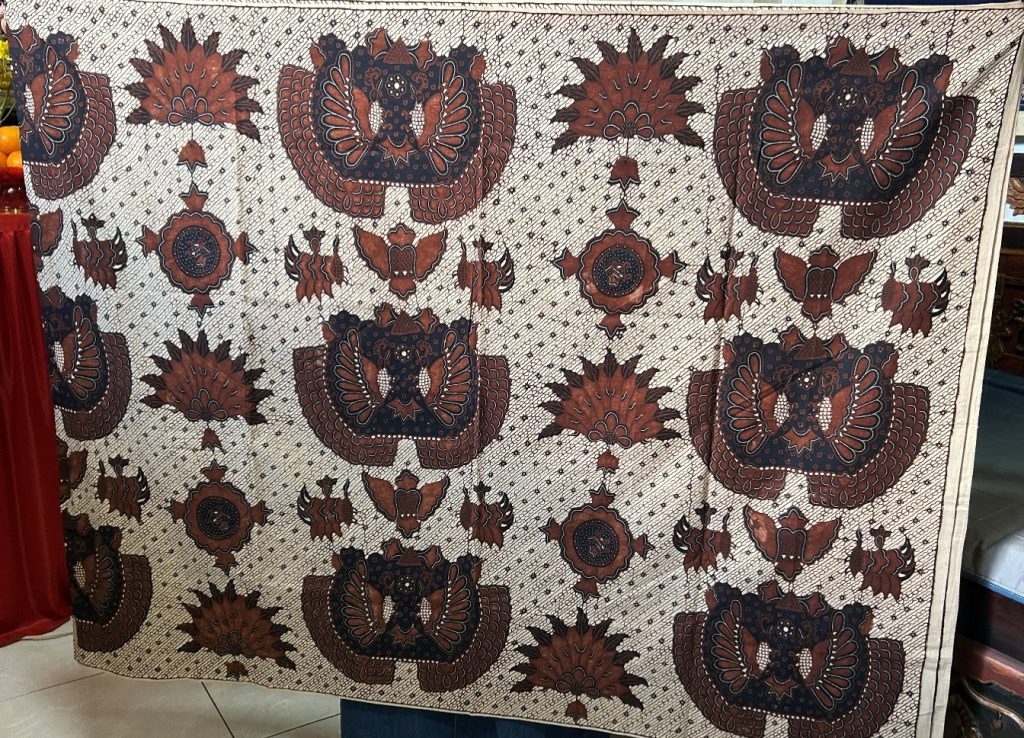
Yogyakarta batik with the Gurda motif

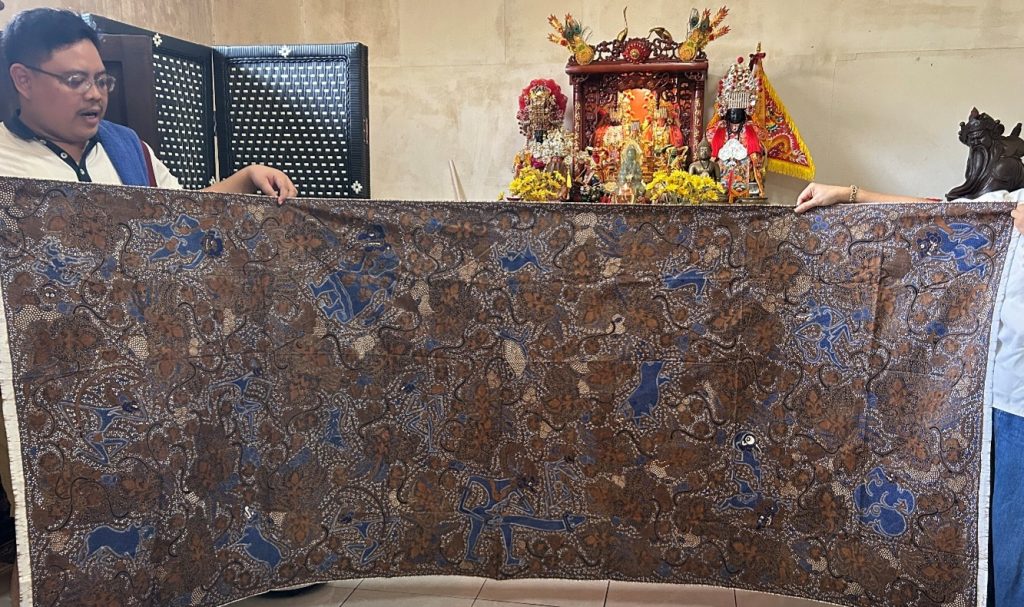
Batik featuring a divergent carangan storyline titled "Bima Tani"

In addition to producing batik cloth, Mas Aji is also active in Perkumpulan Wastra Indonesia, a community that brings together enthusiasts and advocates of Indonesian traditional textiles. His dedication to batik is also reflected in his contribution to the book Pesona Padu Padan Wastra Indonesia as a fashion contributor featuring the use of traditional Yogyakarta batik.


Behind all of these creative processes, Mas Aji believes that one aspect that must continue to be preserved in the world of batik is technical knowledge. According to him, discussions of batik have largely focused on philosophical meanings, symbolism, and cultural values, while knowledge of batik-making techniques is at risk of disappearing if it is not documented and passed on. “In my opinion, that domain (philosophy) is not easily lost because there is already abundant literature about it. But technical knowledge can disappear. For example, where should a parang motif begin, and in which direction should it be made? There are specific ways and methods.” For Mas Aji, preserving technical knowledge is just as important as preserving the philosophical values of batik because both are integral parts of the batik-making tradition.


Toward the end of the interview, Mas Aji also shared a message for students of the Department of Javanese Language, Literature, and Culture, encouraging them not to be afraid of exploring opportunities beyond the classroom. “Make big problems smaller, and ignore the small ones. Do not hesitate or be afraid to try and explore. Also, do not limit your horizons to classroom learning alone.”


Mas Aji Setyowijaya’s journey demonstrates that the study of the Javanese language, literature, and culture does not end within the academic sphere, but can also be realized through cultural preservation practices that benefit society. Through his dedication to studying batik-making techniques, reproducing traditional batik, developing innovations grounded in established principles, and continuously exploring new possibilities in the world of wastra, Mas Aji has shown that cultural heritage can continue to live and develop with the times without losing its identity.


For mahadaya who would like to learn more about Mas Aji’s works and activities, they may visit his Instagram account, @setyowijaya, and his Facebook page, Batik Setyowijaya. Through these social media platforms, Mas Aji shares his creative processes, his works, and his activities in preserving and developing the art of batik.


Author            : Haryo Untoro
Editor             : Haryo Untoro

Muhamad Rafi Nur Fauzy and Meifira Arini Pitaloka, Two Students of the Javanese Language, Literature, and Culture Study Program Accepted into the FIB UGM Fast Track Program

College StudentSDGSStudent Wednesday, 22 July 2026

Two students from the Javanese Language, Literature, and Culture Study Program, Faculty of Cultural Sciences (FIB), Universitas Gadjah Mada (UGM), Muhamad Rafi Nur Fauzy and Meifira Arini Pitaloka, have successfully been selected as recipients of the Undergraduate–Master's (S1–S2) Fast Track Program at FIB UGM. The announcement was made on Friday (17/7/2026) through the official social media account of the Faculty of Cultural Sciences UGM. Through this program, students have the opportunity to pursue undergraduate (S1) and master's (S2) studies concurrently, allowing them to complete their study period in a shorter time. Both students chose to continue their studies in the Master's Program in Literature at FIB UGM.

In an online interview conducted on Monday (20/7/2026), both students expressed their gratitude and enthusiasm for being selected as recipients of the FIB UGM Fast Track Program. For Muhamad Rafi Nur Fauzy, the program serves as an opportunity to deepen the knowledge he has acquired during his undergraduate studies. "I aspire to gain a deeper understanding of Javanese Language, Literature, and Culture so that the knowledge I acquire can later benefit society," he explained. Likewise, Meifira Arini Pitaloka viewed the opportunity to continue her studies through the Fast Track Program as a chance to further develop her academic interests while broadening her knowledge. "I want to continue exploring what I am passionate about by making the most of every opportunity and determination I have," she said.

Regarding their prospective research at the master's level, the two students have different academic interests. Rafi hopes to further explore Javanese literature and culture, particularly the existence of the Panji stories in Central Java. "I am interested in further studying Javanese literature and culture, for example, the existence of the Panji stories in Central Java, while the world of Panji itself is more widely associated with Malang," he explained. Meanwhile, Meifira plans to explore a broader range of literary studies. "I want to try not to limit myself only to Javanese literature. My planned research will still be related to images, perhaps in areas such as comic literature or children's literature," she shared.

Both students have also prepared themselves to face the challenges of participating in the Fast Track Program. According to Rafi, the greatest challenge lies in managing his time effectively in order to balance undergraduate and master's studies. "I want to be more disciplined, make better use of my time for my studies, and set aside time for field research," he said. On the other hand, Meifira believes that mental preparedness is an equally important aspect. In addition to striving to do her best, she also emphasized the importance of prayer and self-awareness throughout the academic journey. "I will do my best, never forget to pray, and continue building self-awareness in facing the challenges ahead," she explained.

Concluding the interview, both students shared messages for their fellow students, encouraging them to remain enthusiastic and consistent throughout their academic journey. Rafi encouraged students to consistently pursue what they are genuinely passionate about so that the learning process becomes more enjoyable. "Consistently pursue what you truly enjoy. That way, the learning process will become more enjoyable. Stay motivated, and go through it with ease. Melu ilining banyu ning ora nganti keli (go with the flow of the water, but do not let yourself be carried away by it)," he said. Meifira also shared a similar message. According to her, every choice that has been made should be pursued wholeheartedly and with full responsibility. "Do what you love and love what you do," she said.

The achievement of Muhamad Rafi Nur Fauzy and Meifira Arini Pitaloka in becoming recipients of the FIB UGM Fast Track Program is expected to inspire other students of the Javanese Language, Literature, and Culture Study Program to continue developing their academic potential and make the most of the opportunities available to them. It is hoped that their journey in pursuing master's studies will contribute to the advancement of knowledge, particularly in the fields of Javanese language, literature, and culture.

Caring for the Arts, Preserving Harmony: Gamasutra Performs at the UGM Philosophy Faculty Karawitan Festival 2026

College StudentNewsSDGSStudentStudent's Activity Monday, 20 July 2026

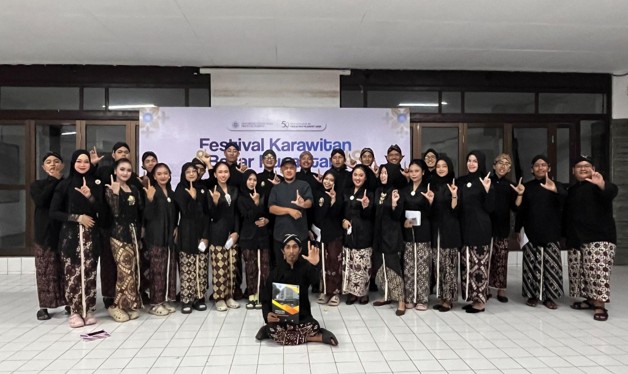
Gamasutra, Gamelan Mahasiswa Sastra Nusantara (the Nusantara Literature Student Gamelan Ensemble), took part in the Karawitan Festival and Nusantara Bazaar organized by the Faculty of Philosophy, Universitas Gadjah Mada (UGM), on Saturday, 18 July 2026. The Karawitan Festival is part of a series of events held in anticipation of the 59th Anniversary of the UGM Faculty of Philosophy. The event was held at the UGM Faculty of Philosophy Field and, this year, marked its eighth edition.


This year, the Karawitan Festival was attended by 52 karawitan ensembles from within UGM as well as art communities from various regions. All performances were held over two days, Saturday and Sunday (18–19 July 2026), with performances scheduled from 07.00 to 22.00 WIB. The event was also broadcast online via a live stream on the Faculty of Philosophy’s YouTube channel. As one of the groups participating in the festival, Gamasutra not only performed but also took part in enlivening the Nusantara Bazaar.

Gamasutra performed on the first day at 21.00 WIB. The repertoire began with the ladrang Sumyar, followed by several gendhing dolanan, including Emplek-emplek Ketepu, Kembang Jagung, Aku Duwe Pitik, and Manggung Sore, and concluded with Ayak-ayak Pamungkas RRI jugag. Ahead of the performance, Gamasutra members held rehearsals to ensure that the performance would run smoothly and achieve the best possible result. The rehearsals were held over approximately two weeks, with six meetings in total. All Gamasutra members demonstrated great enthusiasm throughout the rehearsal process and eventually performed at the festival.

The 2026 Karawitan Festival was one of Gamasutra’s activities in preserving the cultural arts of the Nusantara. The activity is in line with Sustainable Development Goal (SDG) 4, Quality Education. Gamasutra serves as a means of learning together, particularly in deepening knowledge and skills in karawitan. In addition, Gamasutra’s participation in the Karawitan Festival organized by the UGM Faculty of Philosophy also represents an implementation of SDG 17, Partnerships for the Goals. In this context, the goal to be achieved is the preservation of the cultural arts of the Nusantara.

Author: Carlos Jose Prabakusuma
Editors: Carlos Jose Prabakusuma and Haryo Untoro

International Workshop Membaca Ulang Wayang: Mengenang yang Silam, Menjelang yang Datang (Rereading Wayang: Remembering the Past, Looking Toward the Future)

NewsSDGS Friday, 10 July 2026

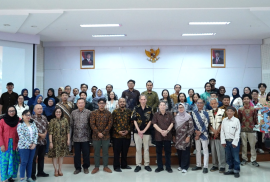
In commemoration of the 80th Anniversary of the Faculty of Cultural Sciences (FIB), Universitas Gadjah Mada (UGM), the Undergraduate Program in Javanese Language, Literature, and Culture, Faculty of Cultural Sciences UGM, organized an International Workshop entitled Rereading Wayang: Remembering the Past, Looking Toward the Future on Thursday (9/7/2026). The event invited academics, students, and the general public to revisit the art of wayang, not only as a cultural heritage of the past but also as a tradition that continues to develop and remains relevant in responding to present and future challenges.

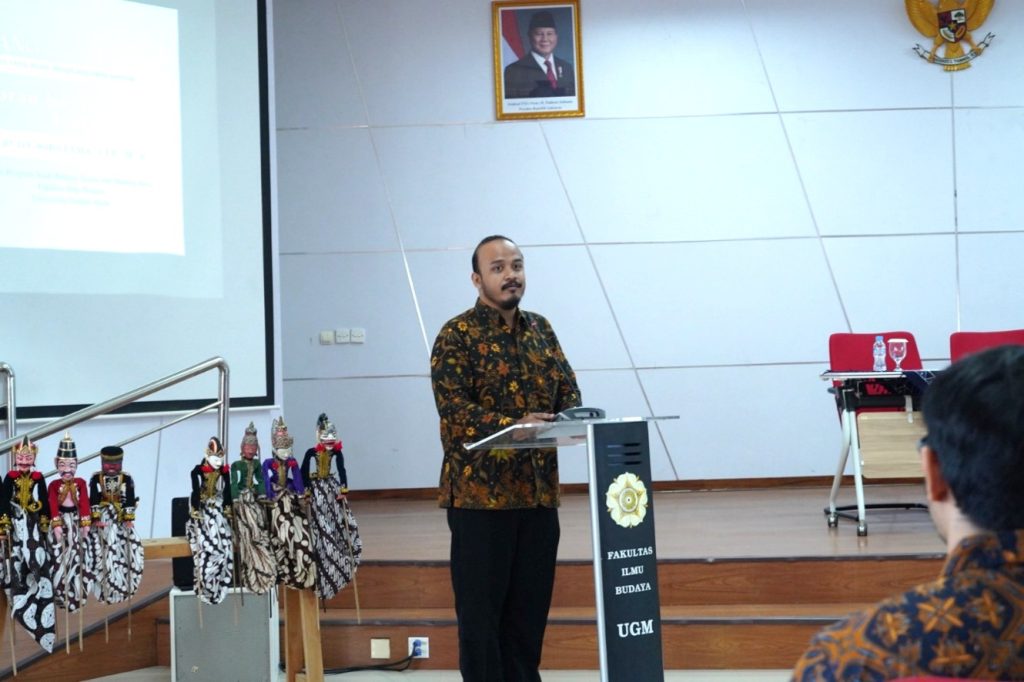
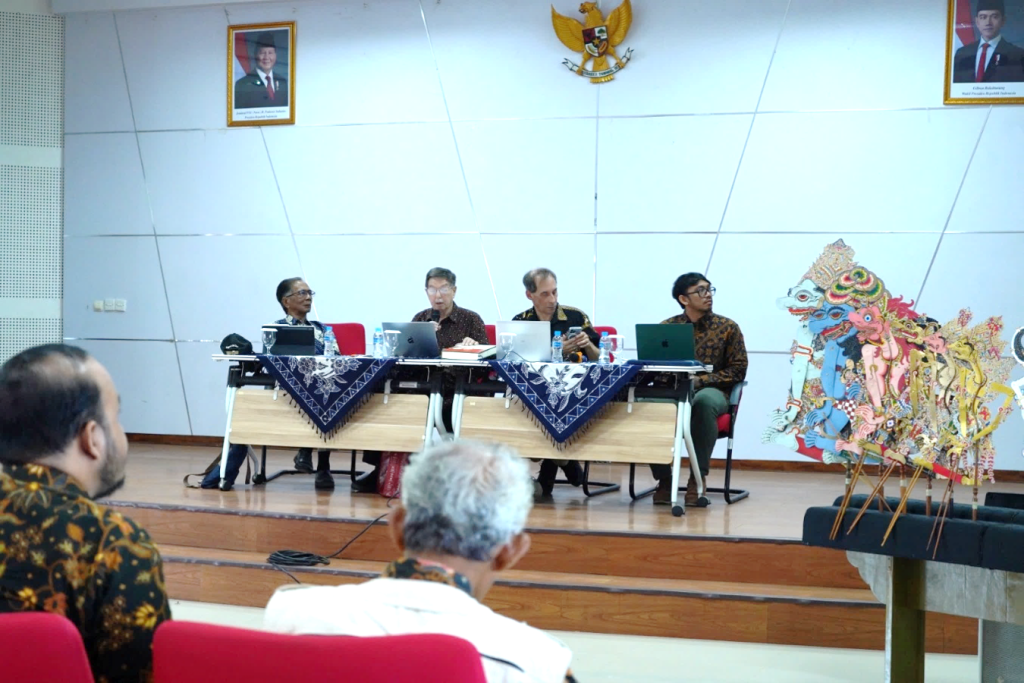
To comprehensively explore the theme, the workshop featured three speakers with expertise in their respective fields: Prof. Matthew Isaac Cohen, Ph.D., Alan H. Feinstein, Ph.D., and Dr. G.R. Lono Lastoro Simatupang, M.A. The discussion was moderated by Zakariya Pamuji Aminullah, S.S., M.A.

Remarks by Dr. Rudy Wiratama, S.I.P., M.A., Chair of the Organizing Committee

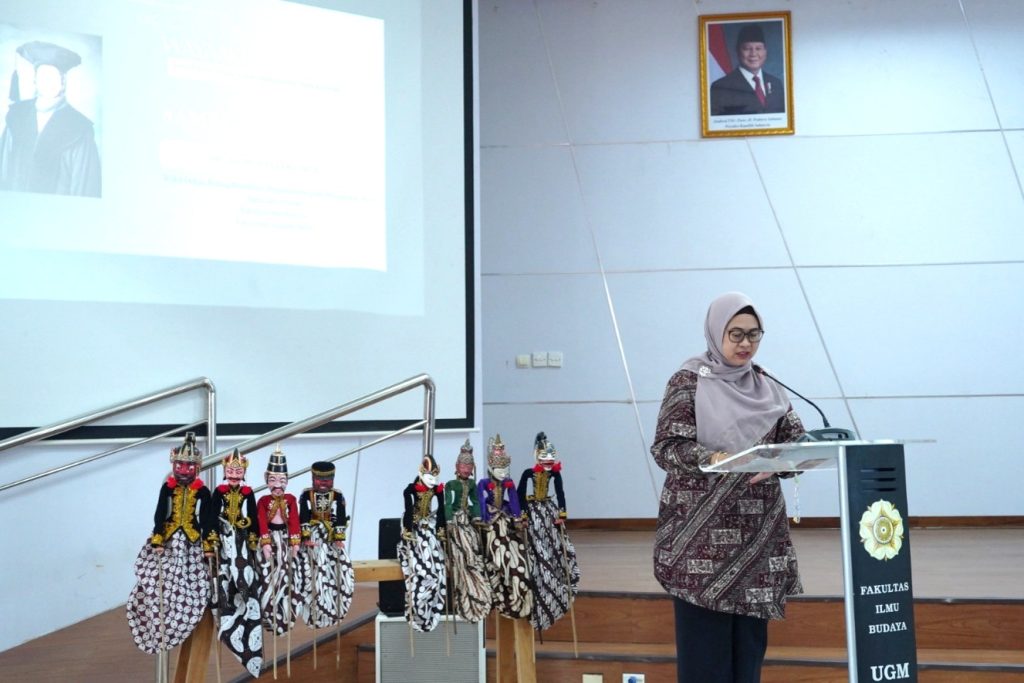
Remarks by Dr. Mimi Savitri, M.A., Vice Dean for Research, Community Service, Cooperation, and Alumni of the Faculty of Cultural Science UGM

The event commenced at 09.00 WIB with opening remarks by Dr. Rudy Wiratama, S.I.P., M.A., Chair of the Organizing Committee, followed by remarks from Dr. Mimi Savitri, M.A., Vice Dean for Research, Community Service, Cooperation, and Alumni of the Faculty of Cultural Sciences UGM. Following the opening session, the international workshop officially began.

As the first speaker, Prof. Matthew Isaac Cohen, Ph.D., discussed the life of wayang art in the virtual sphere, particularly its development, which became increasingly visible during the pandemic. According to him, the presence of wayang art in the digital world had actually begun long before the pandemic through live-streamed wayang kulit performances. "The life of wayang art in the virtual world had actually begun before the pandemic era, with the emergence of live-streamed wayang kulit performances," he explained. He further elaborated that the existence of wayang in the virtual sphere has continued to transform through various forms of innovation, ranging from the establishment of communities such as Posko Dalang Nusantara, the publication of the book #Dalang Goes to Twitter, the emergence of Wayang Jemblung during the pandemic, to the development of wayang in the form of artificial intelligence (AI)-based animation.

The second speaker, Alan H. Feinstein, Ph.D., presented the topic of the historiography and documentation of Javanese wayang stories. He explained that efforts to document wayang stories have been carried out since the colonial period, both through documentation projects of lakon carangan and through the collection of various ancient manuscript sources. According to him, wayang can be studied from various scholarly perspectives; therefore, documenting facts, data, documents, and various other forms of evidence is essential. This is necessary because wayang performances are ephemeral and leave no trace once the puppeteer concludes the performance.

In the final session, Dr. G.R. Lono Lastoro Simatupang, M.A., discussed the existence of women in wayang performing arts from the perspectives of female puppeteers, wayang characters, women's representation, and the stories performed. He explained that women's participation in the world of wayang has shown positive development, although it still requires further strengthening. "I recommend increasing the number of female puppeteers, enhancing women's skills in wayang performing arts, and creating lakon carangan that are in accordance with contemporary developments," he stated.

Through this workshop, Javanese wayang was understood not only as a performing art but also as a reflection of continuously evolving social and cultural dynamics. The presentations demonstrated that the existence of wayang has always been intertwined with the context of its era while continuing to transform without losing the cultural values that form its foundation. In line with the theme Rereading Wayang: Remembering the Past, Looking Toward the Future, the workshop demonstrated that the preservation of wayang is carried out not only through the transmission of tradition but also through documentation, critical reinterpretation, and various innovations that maintain its relevance amid contemporary developments.

Javanese Language, Literature, and Culture Study Program Lecturer Earns Doctoral Degree through a Study of the Middle Javanese Uttarakāṇḍa Manuscript

NewsSDGS Wednesday, 8 July 2026

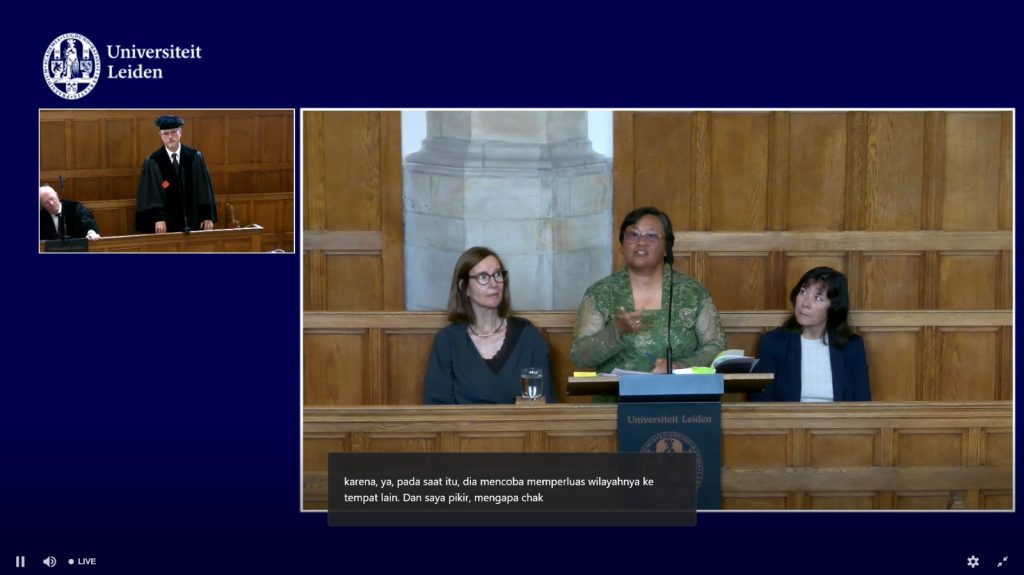
Tuesday (7/7/2026) was a joyful day for the Javanese Language, Literature, and Culture Study Program, Faculty of Cultural Sciences (FIB), Universitas Gadjah Mada (UGM). Yosephin Apriastuti Rahayu, S.S., M.Hum., a lecturer in the field of Old Javanese and Middle Javanese philology, successfully earned a doctoral degree after undergoing a public doctoral defense at Universiteit Leiden.

In her dissertation entitled Learning from the Scribes: A Study of the Old Javanese Uttarakāṇḍa from the Merapi-Merbabu Tradition, Mrs. Apriastuti examines Uttarakāṇḍa, an Old Javanese prose literary work that constitutes the seventh book of the Rāmāyaṇa. The research focuses on four Uttarakāṇḍa manuscripts from the Merapi-Merbabu and Balinese tradition collections to understand how scribes copied, preserved, and transmitted these manuscripts.

Through this research, Mrs. Apriastuti found that the process of manuscript copying is not merely copying the text, but involves a series of activities, such as reading, remembering, reflecting, dictating, and rewriting the contents of the manuscript. The research also shows differences in orthographic systems as well as writing variations influenced by their respective traditions and cultures. These findings help identify copying errors while supporting efforts to reconstruct a textual form that is closer to the original manuscript. In addition, this research demonstrates differences in characteristics between the Merapi-Merbabu writing tradition and the Balinese tradition.

After presenting the results of her research, Mrs. Apriastuti answered various questions from the examiners. The discussion covered several topics, including the role of the Merapi-Merbabu manuscript tradition as a link between Classical Javanese culture and the Javanese and Balinese traditions, the development of writing systems from the Old Javanese period to the modern Javanese script, as well as the cultural and literary relationships among the Sanskrit, Old Javanese, and Balinese traditions.

Mrs. Apriastuti's success in earning a doctoral degree also constitutes an important contribution to the development of Old Javanese philological studies. The research not only enriches the understanding of the manuscript tradition in the Indonesian archipelago, but also supports efforts to preserve written cultural heritage, particularly Old Javanese manuscripts, which serve as important sources for understanding the history, literature, and culture of Indonesia.

Students from the Javanese Language, Literature, and Culture Program Served as Procession Attendant in the Dalem Mangkunegaran Heritage Procession on 1 Sura Be 1960

College StudentNewsSDGSStudentStudent's Activity Wednesday, 17 June 2026

Left: Portrait of Nindy Rosalina Ekaputri. Right: The Mangkunegaran Royal Heirloom Parade procession (Courtesy of Vinta, 2025 via Diskominfo SP Surakarta).

Nindy Rosalina Ekaputri, a student in the Javanese Language, Literature, and Culture program and a recipient of a scholarship from the Arsari Djojohadikusumo Foundation (YAD), had the opportunity to participate in the Kirab Pusaka Dalem Mangkunegaran procession as part of the celebration of the Javanese New Year, 1 Sura Be 1960, which carried the theme “SuraMulihPulih.” This participation was a valuable experience for Nindy, allowing her to gain firsthand insight into Javanese cultural practices that she had previously studied through lectures and academic research.

Prior to the procession, participants took part in a dress rehearsal held the day before. During this activity, participants received instructions regarding the rules of the procession, their positions in the lineup, and the route to be taken. The entire formation of participants was determined by the Mangkunegaran authorities to maintain order and harmony during the procession.

On the day of the event, the series of activities began with a communal meal, the nyuwun palilah dalem ritual, and a joint prayer. Next, the sacred heirlooms were brought out from Dalem Ageng and handed over to G.P.H. Paundrakarna Jiwo Suryonegoro, the Cucuk Lampah Kirab, the procession leader who guided the parade and ensured the events proceeded in accordance with established traditions. The procession was then officially launched by K.G.P.A.A. Mangkoenagoro X at 8:30 p.m. WIB.

During the procession, six royal heirlooms are paraded around the central area of Surakarta. Throughout the procession, all participants observe a vow of silence and walk barefoot. For Nindy, this silence was not merely a rule to be followed, but rather a space for the most honest inner dialogue. This process invited the procession participants to deeply reflect on the concepts of atita (letting go of the past), atiki (being fully present in the moment), and anagata (embracing the future), which form the philosophical core of the 1 Sura commemoration at Mangkunegaran. The serene atmosphere enveloping the procession is truly in harmony with the theme “SuraMulihPulih”, a call to reflect on oneself and prepare for a better life.

Public enthusiasm was palpable along the entire parade route. Thousands of residents crowded various spots to witness the procession, which unfolded in an orderly and solemn manner. In addition to watching the parade, the public was also eagerly awaiting the water used to wash the heirlooms. In Javanese tradition, this water is often regarded as a symbol of blessings and good fortune for those who receive it.

After the procession concluded, the series of activities continued with the distribution of udik-udik to the community by K.G.P.A.A. Mangkoenagoro X, G.P.H. Paundrakarna Jiwo Suryonegoro, and G.R.Aj. Ancillasura Marina Sudjiwo. Parade participants also received servings of black and white sticky rice, which symbolize balance and harmony in life.

For Nindy, participating as a heirloom escort was an experience that enriched her understanding of Javanese culture. This experience demonstrated that cultural preservation is not only achieved through classroom learning but also through direct involvement in traditions that remain alive within the community. Through the participation of the younger generation, cultural heritage such as the Dalem Mangkunegaran Sacred Relics Procession is expected to be preserved and passed down to future generations.

Author: Nindy Rosalina Ekaputri

Editors : Nindy Rosalina Ekaputri & Haryo Untoro

List of Figures

Vita. (2024, July 8). Ribuan warga saksikan Kirab Pusaka Malam Satu Suro di Surakarta [Thousands of residents witness the Malam Satu Suro Royal Heirloom Parade in Surakarta]. Dinas Komunikasi, Informatika, Statistik dan Persandian Kota Surakarta. https://diskominfosp.surakarta.go.id/detail-berita/ribuan-warga-saksikan-kirab-pusaka-malam-satu-suro-di-surakarta-7537

A Space for Sharing and Reflection in the Meeting of YAD Scholarship Recipients, Even Semester of Academic Year 2025/2026

College StudentNewsSDGSStudentStudent's Activity Monday, 1 June 2026

On Saturday (29/10/2026), the Javanese Language, Literature, and Culture Study Program, Faculty of Cultural Sciences, Universitas Gadjah Mada, held a meeting with students who are recipients of the Yayasan Arsari Djojohadikusumo (YAD) scholarship. The event, conducted online via Google Meet, was attended by the Head of the Study Program, Dr. Sulistyowati, M.Hum.

The meeting took place in a warm atmosphere, serving as both a space for sharing and reflection for the students. Dr. Sulistyowati, M.Hum., expressed her appreciation to the YAD scholarship recipients who have maintained strong academic performance, with a current cumulative grade point average (GPA) above 3.5. Appreciation was also given for the students’ active involvement in various non-academic activities, particularly those related to the preservation and development of Javanese culture.

In addition, she extended her congratulations to two YAD scholarship recipients who have completed their studies and participated in the Undergraduate and Applied Bachelor graduation ceremony (Period III, Academic Year 2025/2026) on May 21, 2026, namely Endar Sasmito Aji and Haryo Untoro. This achievement is expected to serve as motivation for other students to complete their studies successfully.

In her remarks, Dr. Sulistyowati, M.Hum., emphasized the importance of sustaining students’ contributions, especially those related to Javanese culture. She reminded them that their achievements should not stop at personal accomplishments but should also bring benefits to society. Furthermore, she highlighted the importance of documenting every activity undertaken, not only as a form of accountability, but also as part of a portfolio that can be utilized in the future.

The meeting also served to strengthen the resolve of YAD scholarship recipients in navigating both their academic journey and extracurricular activities. Beyond being a form of appreciation and encouragement, the meeting opened space for students to continue developing their roles within society, particularly in relation to the preservation of Javanese culture.


Author            : Haryo Untoro
Editor             : Haryo Untoro

“Pusaka Kata” Exhibition Highlights Nusantara Manuscript Treasures at Faculty of Cultural Sciences, Universitas Gadjah Mada

College StudentNewsStudentStudent's Activity Wednesday, 27 May 2026

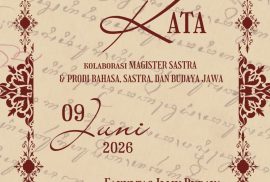
The Javanese Language, Literature, and Culture Study Program and the Master of Arts Program in Literature, Faculty of Cultural Sciences, Gadjah Mada University, will hold an exhibition titled "Pusaka Kata" on Tuesday, June 9, 2026. The event will take place on the first floor of the Soegondo Building, Faculty of Cultural Sciences, UGM, from 8:00 a.m. to 3:00 p.m. Western Indonesian Time.

The "Pusaka Kata" exhibition is a form of academic collaboration featuring various Nusantara manuscripts as its main object. This event aims to introduce and appreciate the richness of Nusantara's writing traditions to academics and the general public.

Through this exhibition, visitors can directly see a variety of Nusantara manuscripts that hold historical, philological, and cultural value. Furthermore, this event is also expected to serve as an educational tool regarding the importance of preserving ancient manuscripts as part of cultural heritage.

The organizing committee invites students, lecturers, and the wider community to attend the exhibition. By holding "Pusaka Kata", it is hoped that awareness of the importance of Javanese manuscripts as a source of knowledge and cultural identity will increase.

Prof. Dr. Hendrokumoro, M.Hum.: Express Yourself, but Stay Njawani ‘Rooted in Javanese Values’

College StudentNewsSDGSStudentStudent's ActivityStudent's Work Friday, 22 May 2026

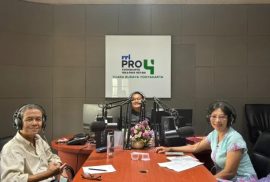
Prof. Dr. Hendrokumoro, M.Hum., during the Kawruh broadcast on Pro 4 Radio Republik Indonesia Yogyakarta. From Gen Z Expresses Modernity while Remaining Grounded and Njawani [Photo], by Titik Renggani, 2026, rri.co.id. Fully cited from: https://rri.co.id/yogyakarta/budaya/2433916/gen-z-berekspresi-modern-namun-tetap-membumi-dan-njawani.

The rapid flow of global culture has made today’s younger generation vulnerable to being swept along and potentially losing their identity. To address this challenge, locally grounded character education is considered an important foundation for preserving identity while shaping strong personal character. This issue was discussed by Prof. Dr. Hendrokumoro, M.Hum., a lecturer in the Javanese Language, Literature, and Culture Study Program, Faculty of Cultural Sciences, Universitas Gadjah Mada, during the Kawruh broadcast on Pro 4 Radio Republik Indonesia Yogyakarta on Friday, May 22, 2026, from 09:00 to 10:00 WIB. The broadcast carried the theme “Slay tapi Njawani: Manifesto Pendidikan Karakter Berbasis Lokal di Hari Kebangkitan Nasional [Slay but Njawani: A Manifesto of Locally-Based Character Education on National Awakening Day]” in commemoration of National Awakening Day (Renggani, 2026).

In his presentation, Prof. Dr. Hendrokumoro, M.Hum., explained that modernity is not something to be rejected. Young people are encouraged to express themselves while still holding firmly to Javanese cultural values, or njawani. These values are reflected in attitudes such as andhap asor (humility), avoiding arrogance, and upholding ethical behavior.

He also emphasized that preserving culture does not mean abandoning progress. On the contrary, local wisdom can go hand in hand with modernity. In the context of language, for instance, although language continues to evolve dynamically, young people still need to understand the concept of empan papan, which means using language appropriately according to the situation and context.

Furthermore, he highlighted that instilling ethical and moral values cannot be achieved solely through a blame-oriented approach. The process must involve listening, guiding, and positioning things proportionally. In this regard, the role of parents is crucial as role models, as expressed in the Javanese principle ing ngarsa sung tuladha, ing madya mangun karsa, tut wuri handayani, “those in front set an example, those in the middle build initiative, and those behind provide encouragement.”

This discussion is expected to broaden public understanding of the importance of maintaining a balance between culture and modern progress. Culture does not need to be abandoned for the sake of modernity; rather, it should be harmonized to remain relevant in contemporary life.

In addition, this activity aligns with the Sustainable Development Goals (SDGs), particularly SDG 4 on quality education through the dissemination of knowledge to the public. It also supports SDG 17 on partnerships by emphasizing the importance of collaboration among educational institutions, cultural institutions, and society in preserving the cultural heritage of the Indonesian archipelago, especially Javanese culture.


Bibliography

Renggani, T. (2026, 23 Mei). Gen Z Berekspresi Modern namun Tetap Membumi dan Njawani [Foto]. rri.co.id. Diakses pada 24 Mei 2026, dari https://rri.co.id/yogyakarta/budaya/2433916/gen-z-berekspresi-modern-namun-tetap-membumi-dan-njawani.


List of Figures

Renggani, T. (2026, May 23). Gen Z Expresses Modernity While Remaining Grounded and Njawani [Photo]. rri.co.id. Fully cited from https://rri.co.id/yogyakarta/budaya/2433916/gen-z-berekspresi-modern-namun-tetap-membumi-dan-njawani.


Author            : Haryo Untoro
Editor             : Haryo Untoro

Cipta Karya Sastra Jawa: A Creative Space for Students to Learn and Develop Literary Works

College StudentNewsSDGSStudentStudent's ActivityStudent's Work Thursday, 21 May 2026

In an effort to improve students’ writing skills, particularly in the field of Javanese literature, the Javanese Language, Literature, and Culture Study Program Universitas Gadjah Mada organized a teaching practitioner activity themed Javanese Literary Creation. The activity was held in Margono Room 404, Faculty of Cultural Sciences, Universitas Gadjah Mada as part of the Productive Written Javanese course on April 14 and 21, 2026.

The activity featured Sri Suryani as the teaching practitioner, guiding students to become more familiar with the world of Javanese literary writing. This class formed part of the Productive Written Javanese course for the 2026 academic year, taught by Dr. Sulistyowati, M.Hum.

During the first meeting on April 14, 2026, students received material on modern Javanese literary works and creative writing techniques, particularly short stories (cerkak). In addition to the presentation session, students and the teaching practitioner discussed the planned outputs of the activity, namely an anthology of cerkak and geguritan. Students were also given the opportunity to submit their written works, which would later be discussed in the following session.

Meanwhile, during the second meeting on April 21, 2026, students studied geguritan with a focus on stylistic elements. The activity then continued with a discussion of the works submitted in the previous meeting. Students presented drafts of their writing and discussed them with the teaching practitioner and fellow participants. The discussion session was lively and interactive, as students not only learned how to write, but also gained an understanding of the processes of developing, editing, and preparing literary works for publication.

The teaching practitioner activity was carried out smoothly and successfully, supported by the strong enthusiasm of students from the Javanese Language, Literature, and Culture Study Program in learning about Javanese literary writing. Through this activity, students not only gained an understanding of the creative process of literary writing, but also acquired practical experience in developing their works more thoroughly. The outputs of the activity, in the form of Javanese literary works such as cerkak and geguritan, are expected to serve as learning media as well as a means for younger generations to foster love and pride for Indonesian culture, particularly Javanese culture. In addition, this activity aligns with the goals of the Sustainable Development Goals (SDGs), especially SDG 4 on quality education through the strengthening of students’ literacy and creativity competencies, and SDG 17 on partnerships for the goals through collaboration between academics and practitioners in developing experience-based learning.


Author            : Haryo Untoro
Editor             : Haryo Untoro

1234

Recent Post

  • Preserving the Yogyakarta Batik Tradition through the Work of Aji Setyowijaya, an Alumnus of the Department of Javanese Language, Literature, and Culture
    July 31, 2026
  • Muhamad Rafi Nur Fauzy and Meifira Arini Pitaloka, Two Students of the Javanese Language, Literature, and Culture Study Program Accepted into the FIB UGM Fast Track Program
    July 22, 2026
  • Caring for the Arts, Preserving Harmony: Gamasutra Performs at the UGM Philosophy Faculty Karawitan Festival 2026
    July 20, 2026
  • International Workshop Membaca Ulang Wayang: Mengenang yang Silam, Menjelang yang Datang (Rereading Wayang: Remembering the Past, Looking Toward the Future)
    July 10, 2026
  • Javanese Language, Literature, and Culture Study Program Lecturer Earns Doctoral Degree through a Study of the Middle Javanese Uttarakāṇḍa Manuscript
    July 8, 2026

Calender

August 2026
M T W T F S S
 12
3456789
10111213141516
17181920212223
24252627282930
31  
« Jul    
  • Fakultas Ilmu Budaya
  • Ujian Masuk UGM
  • PPSMB
  • Alumni
  • Jurnal Humaniora
August 2026
M T W T F S S
 12
3456789
10111213141516
17181920212223
24252627282930
31  
« Jul    

News

  • Preserving the Yogyakarta Batik Tradition through the Work of Aji Setyowijaya, an Alumnus of the Department of Javanese Language, Literature, and Culture
    July 31, 2026
  • Muhamad Rafi Nur Fauzy and Meifira Arini Pitaloka, Two Students of the Javanese Language, Literature, and Culture Study Program Accepted into the FIB UGM Fast Track Program
    July 22, 2026
  • Caring for the Arts, Preserving Harmony: Gamasutra Performs at the UGM Philosophy Faculty Karawitan Festival 2026
    July 20, 2026
Universitas Gadjah Mada

Javanese Language, Literature, and Culture Program
Department of Language and Literature
Faculty of Cultural Sciences
Universitas Gadjah Mada


Sosiohumaniora St., Bulaksumur, Yogyakarta
Telp : 0274-901134 Ext. 110, Fax : 0274-550451, WhatsApp : 08135932426
Email : nusantara@ugm.ac.id

© 2025 Javanese Language, Literature, and Culture Program FIB UGM

KEBIJAKAN PRIVASI/PRIVACY POLICY